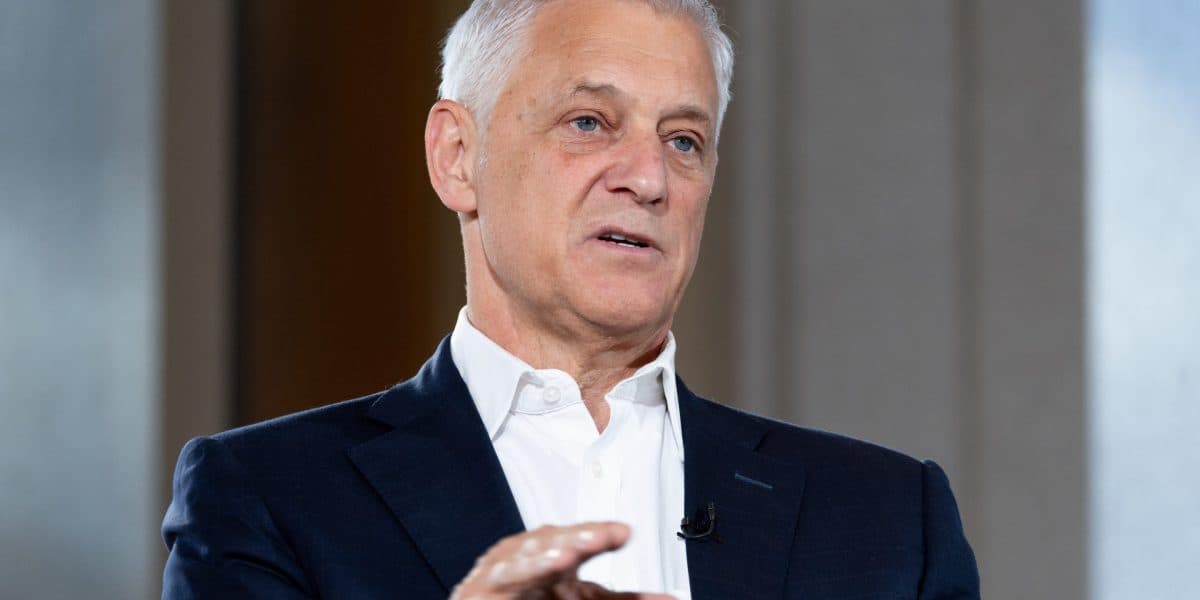
Photo via Fortune
Bill Winters, chief executive of Standard Chartered, has issued an apology after his recent comments about artificial intelligence and workforce reduction sparked significant backlash. According to Fortune, Winters characterized certain workers as having 'lower value human capital' in remarks that were perceived as dismissive of employees facing displacement through automation.
The executive clarified that Standard Chartered expects approximately 15% of back-office roles to be eliminated over the next four years as the organization automates corporate functions. While the bank framed this as part of a broader industry trend, Winters acknowledged that his language had caused hurt among employees and stakeholders who took issue with how workers were being characterized during this transition.
For Dallas-area financial institutions and corporate operations centers, this episode highlights the delicate balance between embracing technological advancement and managing workforce anxieties. As major banks and financial services companies increasingly invest in AI and automation, how leadership communicates these changes—and values displaced workers—will become increasingly important to talent retention and corporate culture.
The incident underscores a growing tension in the business world: companies must address AI-driven transformation honestly while remaining sensitive to employee concerns. As more Dallas-headquartered firms navigate similar automation decisions, leaders are learning that the technology investment is only half the equation. How organizations acknowledge and support affected workers may ultimately prove just as critical to their long-term success.