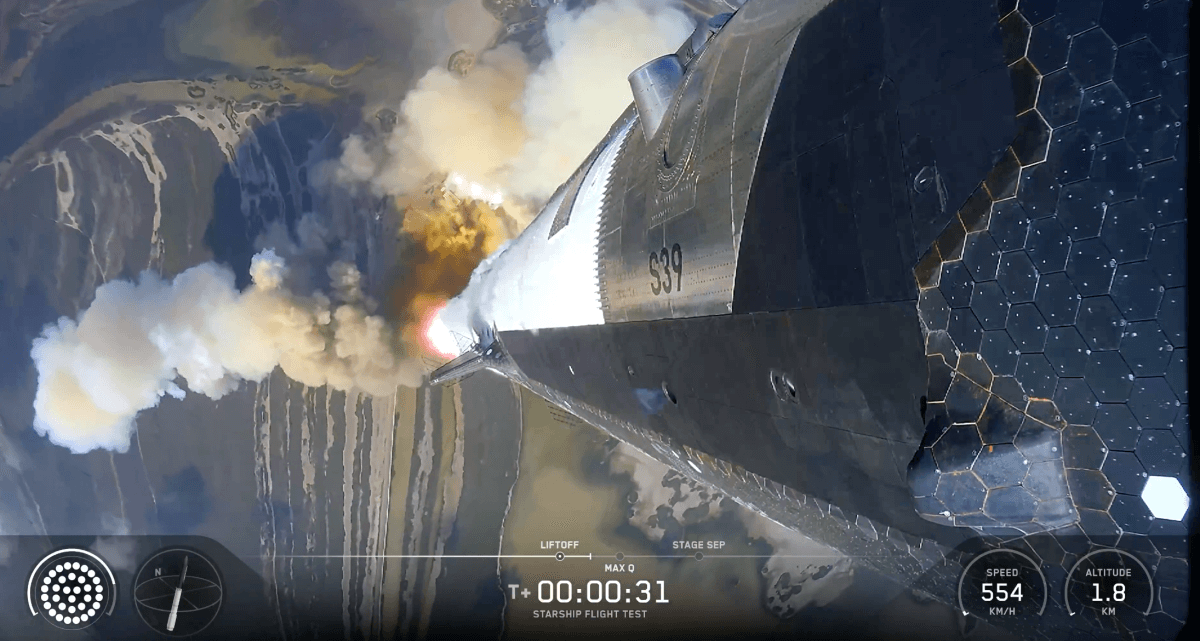
Photo via TechCrunch
SpaceX completed its first launch of the upgraded Starship V3 rocket, a milestone the aerospace company views as essential to executing its long-term ambitions in space exploration and commercial spaceflight. According to TechCrunch, the test flight demonstrated significant progress in the vehicle's capabilities, though the mission did not achieve a complete success.
While the primary flight objectives were largely met, the booster component—a critical reusable element designed to reduce launch costs—was lost during its return sequence. This setback underscores the engineering challenges SpaceX continues to navigate as it develops increasingly sophisticated launch systems.
The Starship V3 represents an evolution of SpaceX's existing platform and is central to the company's roadmap for lunar missions, Mars exploration, and satellite deployment operations. Each test flight generates operational data that informs subsequent iterations, contributing to the iterative development approach SpaceX has championed.
For the broader aerospace and technology sectors, SpaceX's progress carries implications for supply chains, manufacturing investments, and commercial space opportunities. Dallas-area technology and logistics firms increasingly interface with space industry developments, particularly as commercial space ventures expand their operational scope and create new service demands.