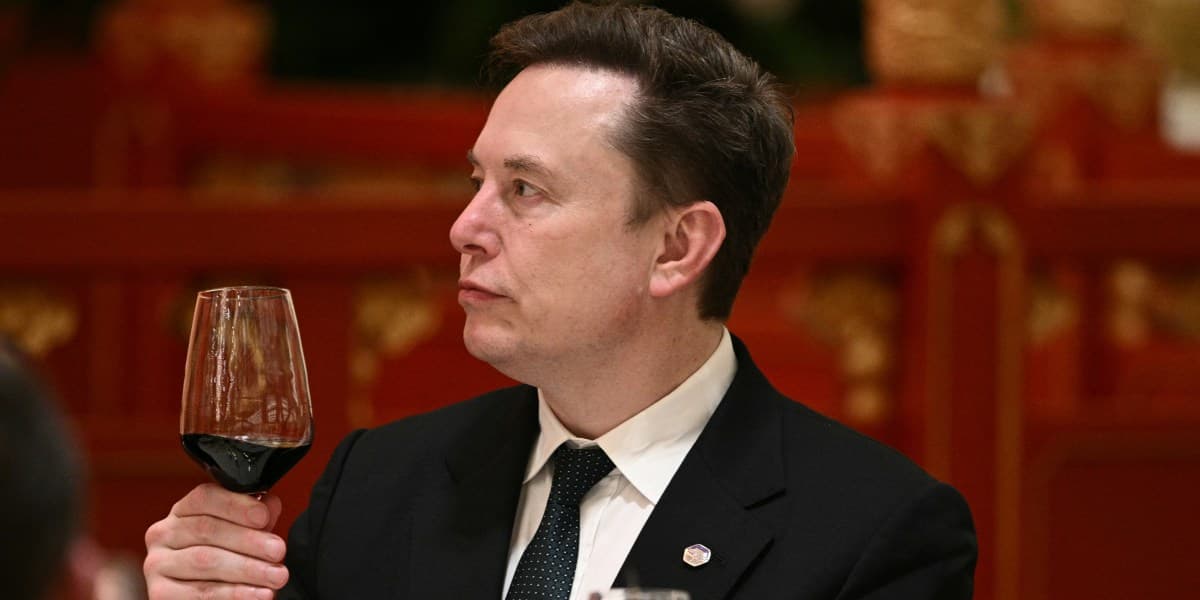
Photo via Fortune
SpaceX is positioning itself as potentially one of the least shareholder-friendly companies to ever go public, according to Fortune's analysis of the company's S-1 filing. CEO Elon Musk has implemented governance structures that prioritize founder control over traditional shareholder protections, a move that's drawing scrutiny from corporate governance advocates nationwide. For Dallas-area institutional investors and pension funds with stakes in aerospace and technology sectors, the filing raises important questions about what protections they'll receive as minority shareholders.
The company's dual-class share structure creates two tiers of voting power, allowing Musk and early investors to maintain disproportionate control even as the company attracts new public shareholders. Additionally, SpaceX's mandatory binding arbitration clause removes shareholders' ability to pursue class-action lawsuits in traditional courts. These provisions represent a significant departure from standard public company governance practices and could signal shifting expectations about what major tech firms consider acceptable corporate structures.
Shareholder advocates argue these policies concentrate risk and decision-making power in ways that could disadvantage minority investors. According to the Fortune report, corporate governance experts view SpaceX's approach as potentially setting a precedent that other high-growth companies might adopt. For Dallas firms with exposure to aerospace supply chains and technology investments, understanding these governance trends becomes essential for evaluating long-term investment viability and stakeholder protections.
As SpaceX moves closer to its public debut, institutional investors in North Texas should closely examine how these shareholder-unfriendly policies might affect their fiduciary responsibilities and investment returns. The company's governance choices reflect broader tensions in the tech industry between founder vision and shareholder rights—a debate that will likely influence how Dallas-based investment firms approach future venture capital and public market opportunities in the aerospace and defense sectors.