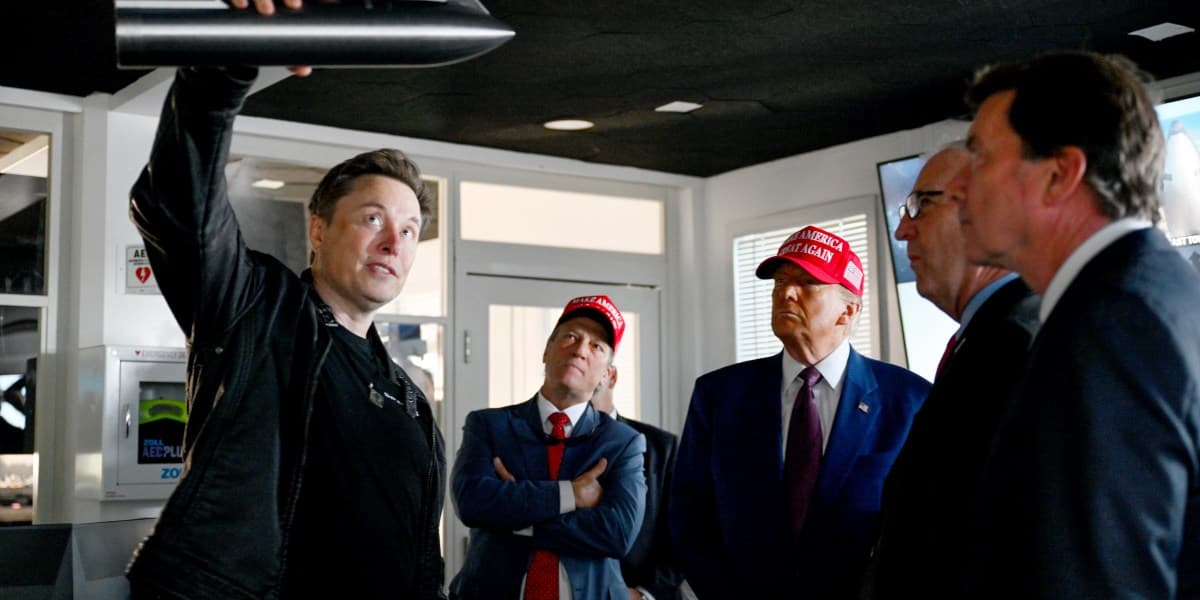
Photo via Fortune
SpaceX's recent IPO documentation provides a revealing window into Elon Musk's vision for the company's future, and it may surprise those who view the firm primarily as a space exploration business. According to Fortune, the filing shows SpaceX has fundamentally repositioned itself from a commercial space pioneer with minimal competition to an artificial intelligence-focused enterprise competing directly with major cloud and AI hyperscalers.
This strategic transformation marks a significant evolution in how the company views its core business model. Rather than relying solely on launch services and satellite deployment—the traditional pillars of its revenue—SpaceX is increasingly framing itself as a player in the high-stakes AI infrastructure race. This pivot suggests that Musk sees greater long-term value and growth potential in AI applications than in traditional space services alone.
For Dallas-area technology companies and investors, this shift underscores a broader trend: the convergence of space infrastructure with artificial intelligence. As North Texas continues to build its tech ecosystem, SpaceX's strategic repositioning offers a case study in how legacy business models are being reimagined around AI capabilities. The move also reflects intensifying competition among tech giants for dominance in AI infrastructure and computing resources.
The filing demonstrates that even established space companies recognize the imperative to compete in artificial intelligence markets. For Dallas entrepreneurs and corporate strategists evaluating technology investments, SpaceX's transformation illustrates how companies across industries are integrating AI into their core value propositions—a dynamic that will likely shape competitive landscapes across multiple sectors for years to come.