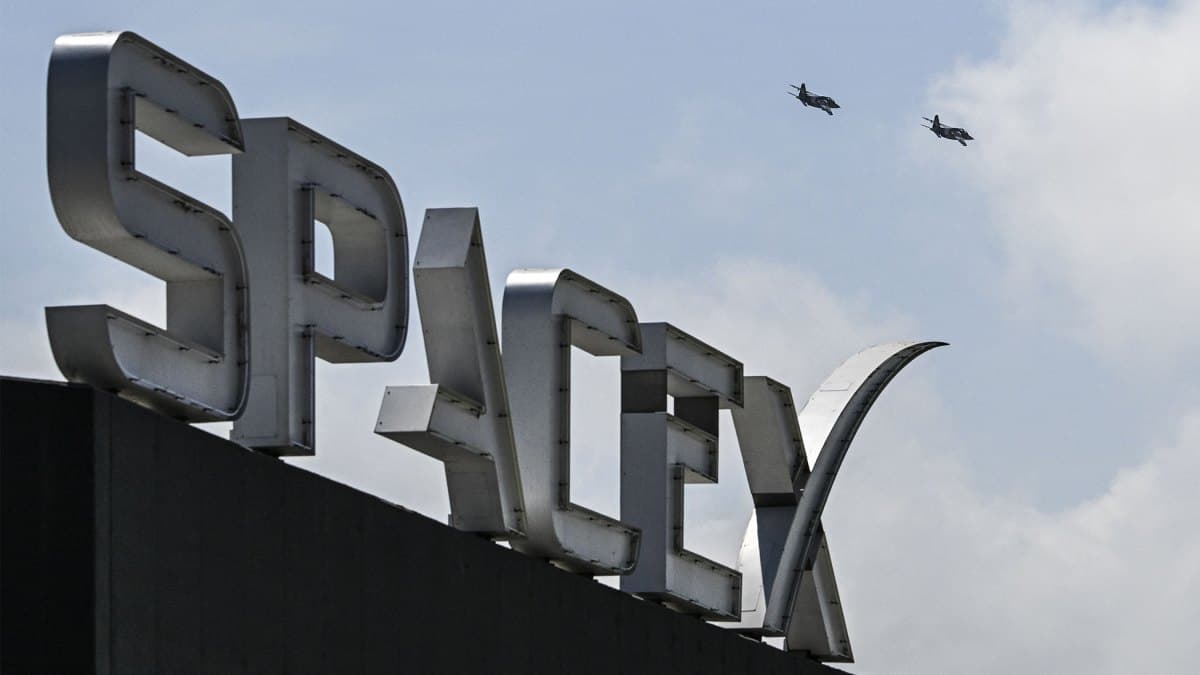
Photo via TechCrunch
SpaceX has officially filed for an initial public offering, marking a watershed moment for the commercial space industry. According to TechCrunch, the company's S-1 filing encompasses 36 pages of risk factors alone, underscoring the complexity and unprecedented scale of the aerospace venture. The filing reveals SpaceX's vision extends well beyond cargo delivery and communications—it represents a fundamental shift in how private enterprise approaches space commerce.
The numbers in SpaceX's IPO prospectus reflect extraordinary ambition: the company identifies a $28 trillion total addressable market, which encompasses satellite communications, space tourism, lunar operations, and Mars colonization. This valuation framework suggests SpaceX sees opportunities across multiple industries and decades of growth. The proposed IPO would rank among the largest in American history, reflecting investor appetite for transformative technology ventures.
For Dallas-area businesses, SpaceX's public debut carries strategic implications. The company's expansion in satellite internet, logistics networks, and space infrastructure could intersect with North Texas's thriving aerospace, defense, and technology sectors. Dallas has long been a hub for aerospace manufacturing and engineering talent, and SpaceX's public status may accelerate partnerships and supply chain opportunities in the region.
The filing's pay structure—notably including compensation tied to achieving a Mars colony—illustrates how SpaceX frames its mission to investors and employees alike. This unconventional approach signals the company's willingness to tie shareholder value to extraordinary, long-term objectives. As the IPO process unfolds, investors and analysts will need to weigh the genuine technological breakthroughs against the substantial risks outlined in the company's extensive disclosures.