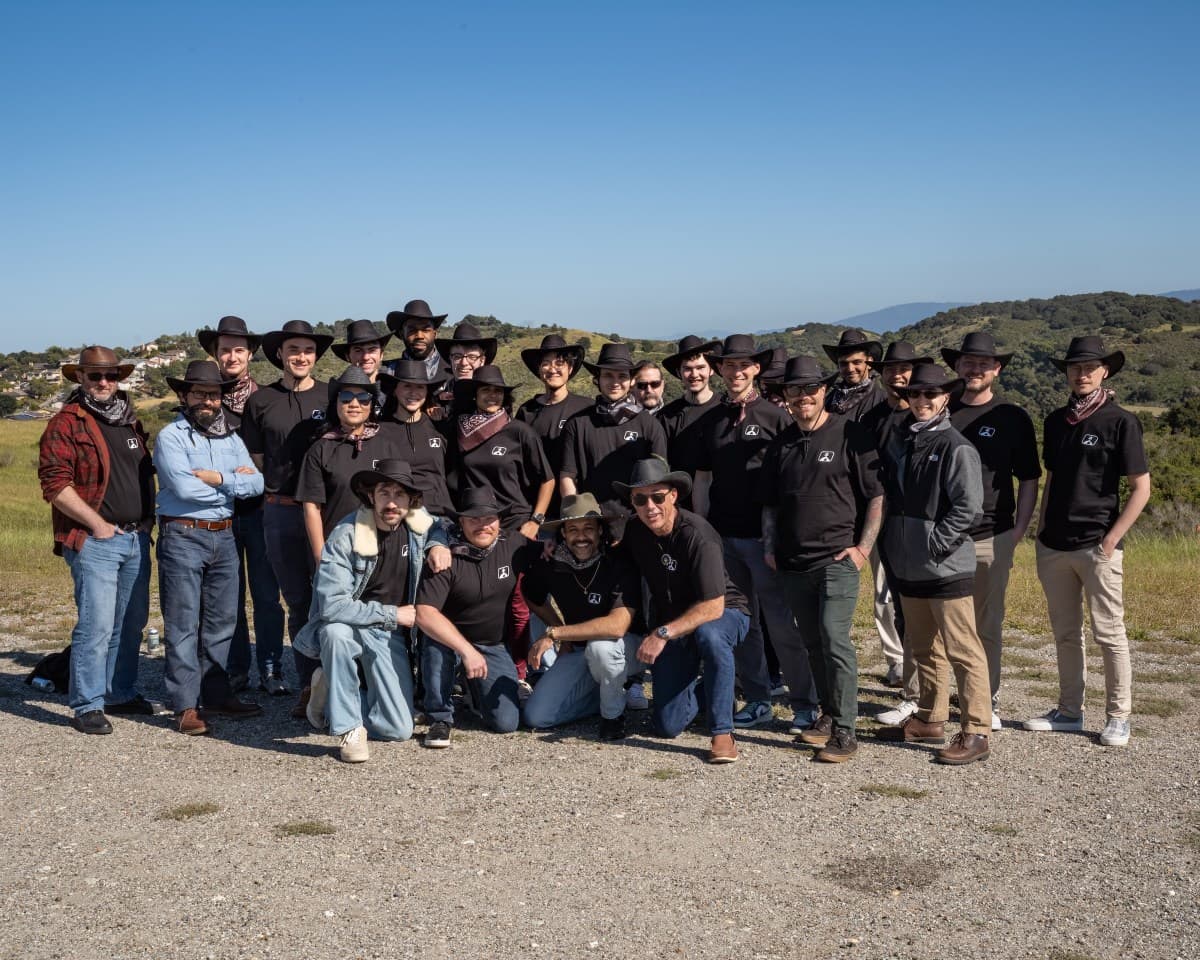
Photo via TechCrunch
The race to meet artificial intelligence's seemingly endless appetite for computing power is pushing entrepreneurs to look beyond Earth's atmosphere. According to TechCrunch, Cowboy Space has secured $275 million in funding to develop orbital data centers—a bet that space-based infrastructure could help alleviate earthbound capacity constraints. For Dallas-area tech companies and enterprises struggling with AI compute availability, this represents an emerging solution that could reshape how computing resources are accessed and deployed.
The fundamental challenge limiting this vision is both logistical and economic. Current rocket capacity falls far short of what would be needed to establish a meaningful network of orbital data centers, while launch costs remain prohibitively expensive for most operators. This bottleneck means even well-funded ventures like Cowboy Space must first overcome infrastructure limitations before their business model becomes viable at scale.
The broader implications extend across multiple industries reliant on AI capabilities. Dallas-based enterprises in financial services, energy, manufacturing, and healthcare are increasingly competing for limited cloud compute resources. If space-based data centers eventually become accessible and cost-effective, they could provide new options for computationally intensive applications ranging from machine learning to real-time data processing.
As this sector develops, the success or failure of ventures like Cowboy Space may signal whether orbital infrastructure becomes a practical complement to terrestrial data centers or remains an expensive experiment. For local businesses evaluating their AI strategy, monitoring these developments could provide insights into future computing options and potential cost structures as the industry matures.