Photo via Dallas Observer
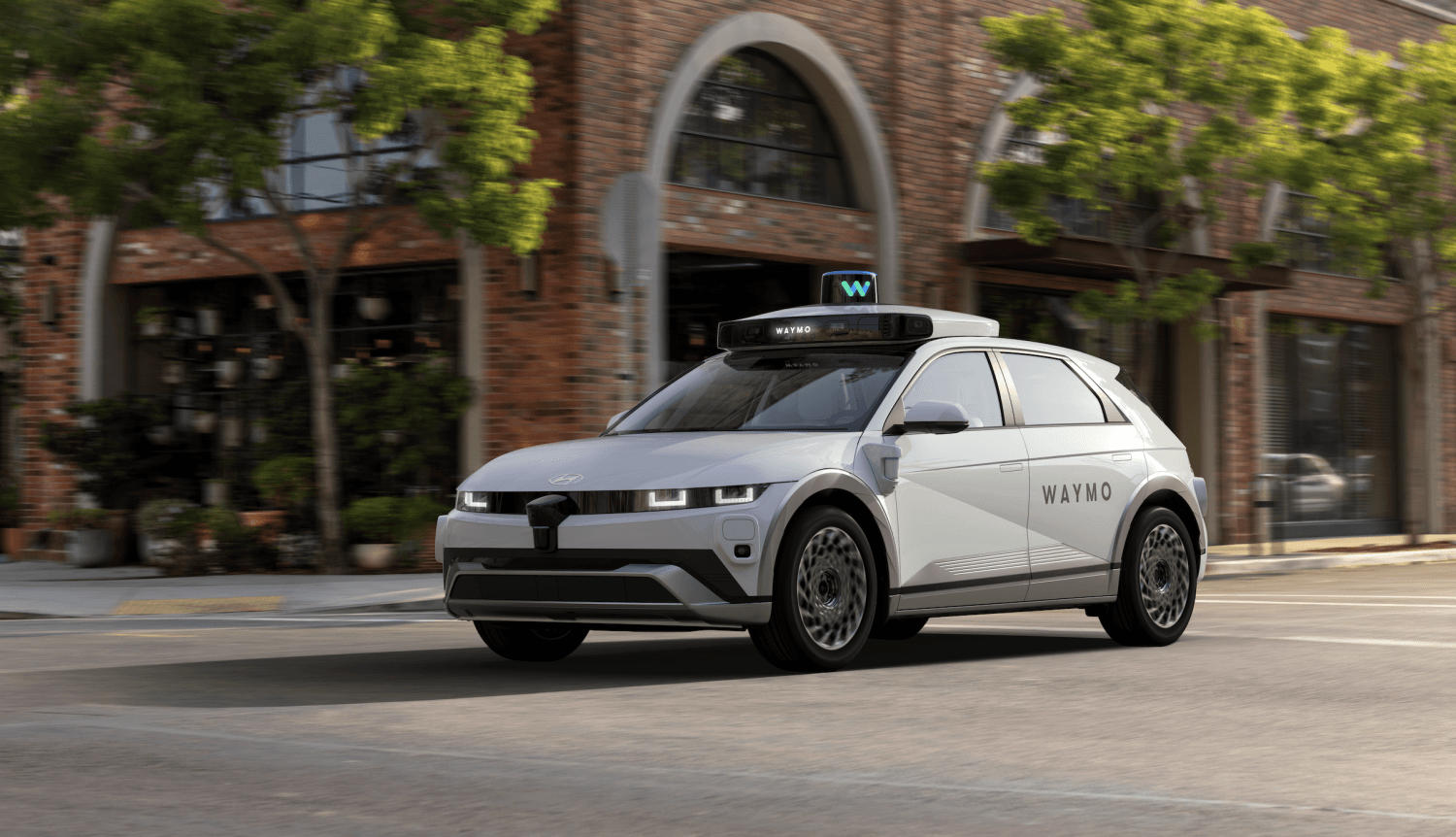
Proponents of autonomous vehicle technology have long touted traffic reduction as a key benefit, and a recent study from SMU lends credence to those arguments. The research suggests that self-driving cars could meaningfully cut commute times across the DFW metroplex, where congestion remains a persistent challenge for the region's growing workforce. The findings come as Dallas-area companies and transportation planners increasingly evaluate how emerging mobility technologies might address infrastructure demands.
According to the SMU report, AI-driven autonomous vehicles could optimize traffic flow through improved routing, reduced accidents, and more efficient use of roadways. These improvements could have tangible benefits for Dallas-area businesses relying on delivery networks, employee commuting, and supply chain logistics. The potential efficiency gains extend beyond individual commuters to commercial operations dependent on timely transportation throughout North Texas.
Despite the optimistic projections, considerable skepticism remains about autonomous vehicles' real-world deployment and impact. Questions persist regarding regulatory frameworks, safety validation, cybersecurity, and the timeline for widespread adoption in urban markets like Dallas. Industry observers caution that while the technology's potential is significant, numerous hurdles must be cleared before autonomous vehicles become commonplace on DFW roadways.