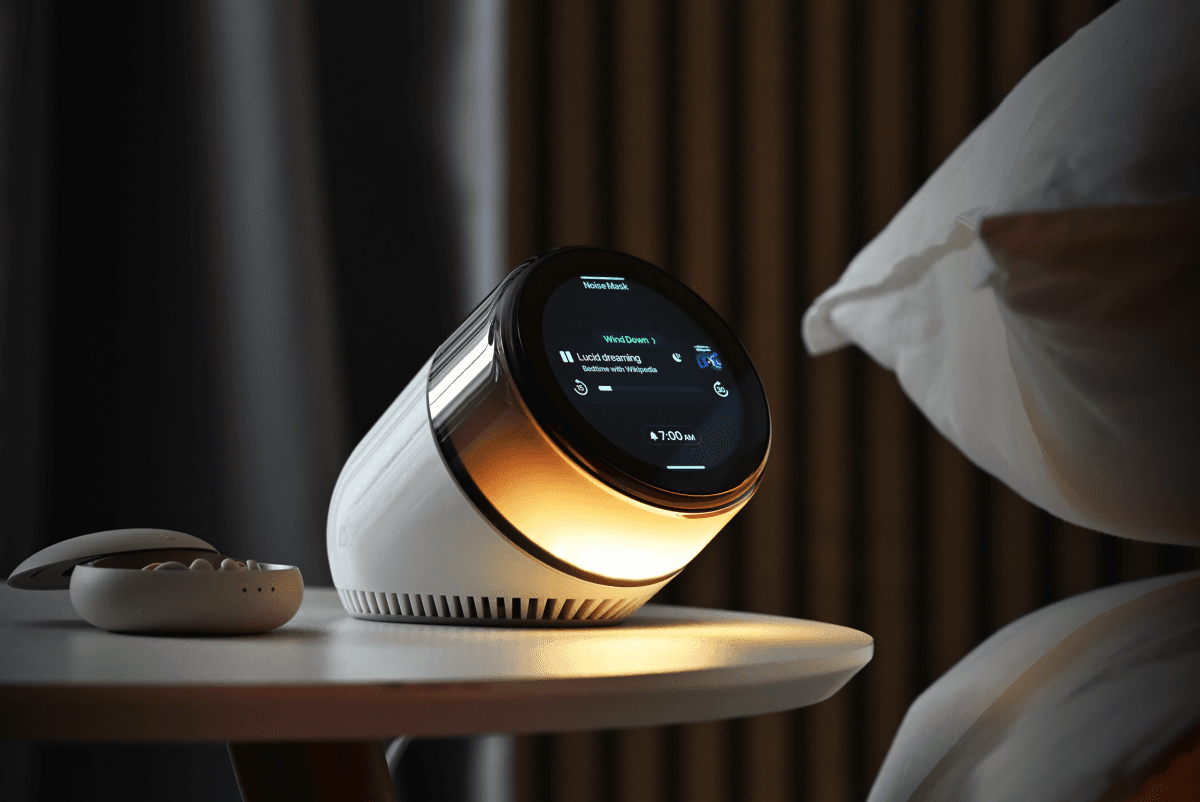
Photo via TechCrunch
The proliferation of smart home devices has created an increasingly crowded marketplace for sleep and wellness technology. According to TechCrunch, a new entrant called Dreamie is taking a different approach by focusing on a single, well-executed feature: the ability to play podcasts directly from an alarm clock device. This minimalist strategy stands in contrast to competitors offering sprawling feature sets that often complicate rather than enhance the user experience.
For Dallas-area business professionals juggling demanding schedules, the appeal of Dreamie reflects a broader trend toward reclaiming bedrooms as device-free zones. By consolidating podcast listening and alarm functions into one bedside device, users can leave their phones—and their work notifications—elsewhere during sleep hours. This separation of concerns addresses growing concerns about productivity loss and sleep disruption caused by late-night device usage among executives and knowledge workers.
The success of Dreamie's focused product design offers lessons for North Texas technology startups and established companies alike. Rather than building feature-rich platforms that attempt to serve every use case, the most compelling consumer products often excel by solving one problem elegantly. This principle has driven adoption of other specialized home devices and suggests Dallas entrepreneurs should scrutinize whether additional capabilities truly enhance value or simply add complexity.
As remote work remains prevalent among Dallas companies, the boundary between professional and personal spaces has blurred significantly. Devices like Dreamie represent a practical response to this challenge, helping workers establish healthier boundaries between career demands and personal restoration. For organizations focused on employee wellness initiatives, such tools offer an affordable way to support better sleep habits and mental health among their workforce.