Photo via Summitdaily
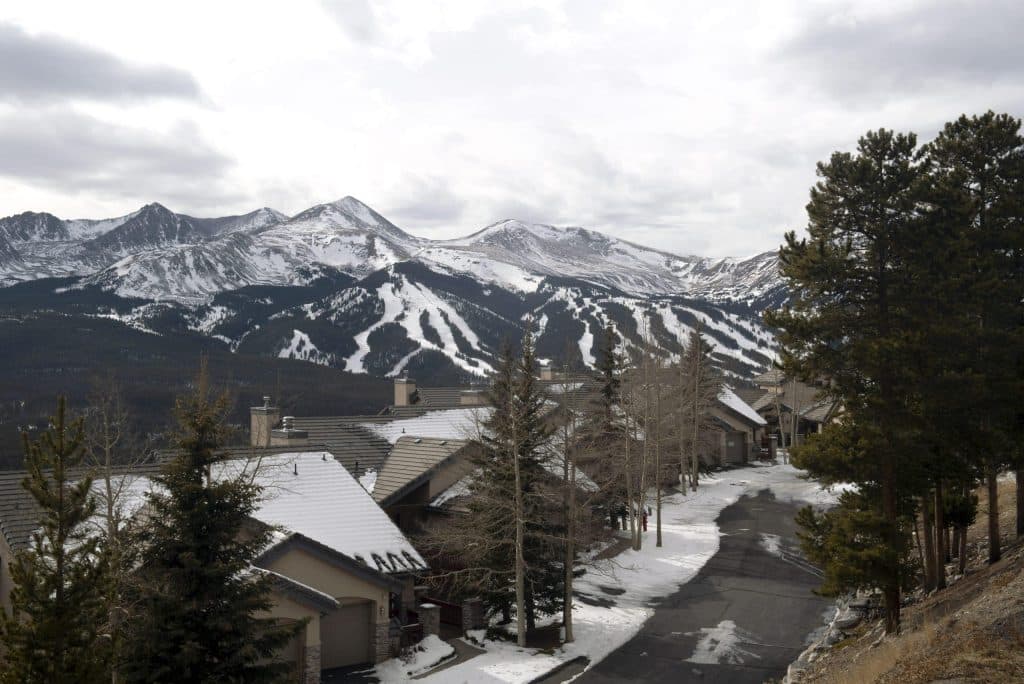
The short-term rental market is experiencing a significant slowdown, with operators reporting softer occupancy rates and revenue challenges as the sector heads into the traditionally busy fall season. According to Summit Daily, this cooling demand comes amid rising nightly rates that may be pricing out leisure travelers, creating a supply-and-demand imbalance that's forcing operators to reassess their business models. For Dallas investors with exposure to vacation rental properties—whether in Texas mountain destinations or urban markets—the trend underscores the importance of understanding regional market dynamics beyond simple occupancy metrics.
Political developments could accelerate these market pressures. Progressive victories in Colorado's Democratic primary elections signal potential shifts toward stricter short-term rental regulations and oversight, which could compress margins further for property owners relying on platform-based rental income. This dynamic mirrors growing regulatory scrutiny in major U.S. cities, including Texas markets, where municipalities increasingly view short-term rentals as threats to long-term housing availability and neighborhood stability. Dallas-area investors should anticipate similar policy discussions locally as city councils weigh housing affordability against tourism and investor interests.
Experts caution that the convergence of market headwinds and regulatory uncertainty creates a pivot point for the industry. Property owners and investors would be wise to stress-test their short-term rental portfolios under stricter oversight scenarios and declining occupancy rates. For Dallas businesses in hospitality, property management, and real estate investment, understanding these broader market signals can help inform strategy during what appears to be a maturing and increasingly contested sector.