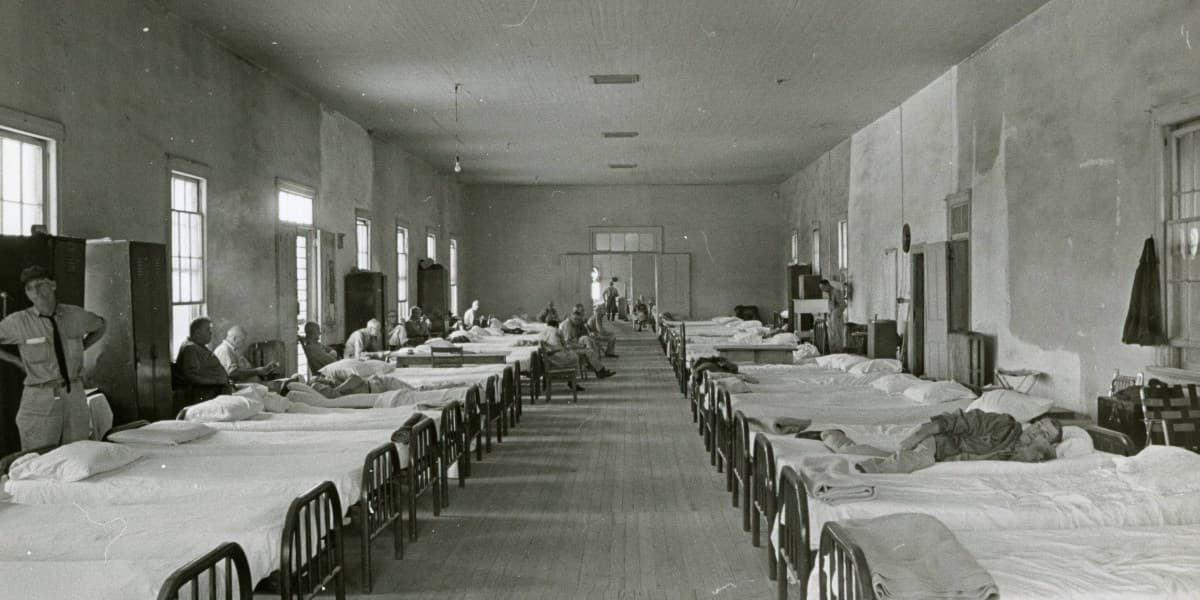
Photo via Fortune
According to Fortune, approximately 500,000 individuals were confined to state psychiatric hospitals across the United States, yet many of their medical records remain inaccessible to descendants and relatives. The case of Breta Meria Conole, who spent over 20 years institutionalized, illustrates the challenge: her great-grandniece Debby Hannigan spent years attempting to obtain medical documentation that might explain her family's history of mental health conditions, including depression affecting her own daughter.
This records accessibility issue presents a significant gap in healthcare continuity and family medical history documentation. For Texas healthcare providers and families in the Dallas area, the inability to access historical psychiatric records complicates efforts to understand genetic predispositions and mental health patterns that could inform contemporary treatment decisions. Mental health professionals often rely on comprehensive family histories to develop effective care plans.
The barriers to accessing these records stem from outdated institutional practices, privacy regulations that were designed differently in earlier decades, and the sheer administrative burden of managing millions of archived documents. State hospital systems, many of which have since closed or been restructured, often lack digitized records or clear protocols for releasing information to family members and researchers seeking to understand their relatives' medical backgrounds.
For Dallas-area healthcare organizations and mental health advocates, this situation underscores the importance of modernizing record-keeping systems and establishing clear policies for historical document access. As healthcare increasingly emphasizes personalized medicine and genetic screening, addressing these archival gaps could improve diagnostic accuracy and family-centered care planning across Texas and beyond.