Photo via Fortune
Russia's defense budget is increasingly straining the country's already weakened economy, according to Fortune. As the conflict in Ukraine continues to demand massive resources, Moscow has acknowledged that military expenditures are creating significant financial headwinds that threaten broader economic stability.
The impact on growth forecasts has been dramatic. Russian officials have downwardly revised GDP projections to just 0.4% for the year, a sharp decline from the previously anticipated 1.3% expansion. This slowdown signals that sustained military spending is consuming capital that might otherwise support consumer spending, business investment, and general economic development.
For Dallas-area companies involved in global trade, energy markets, and supply chain management, Russia's economic struggles underscore the volatility of international markets. Regional businesses that rely on commodity prices, export markets, or complex supply networks should monitor how prolonged geopolitical conflict affects broader economic forecasts and business planning.
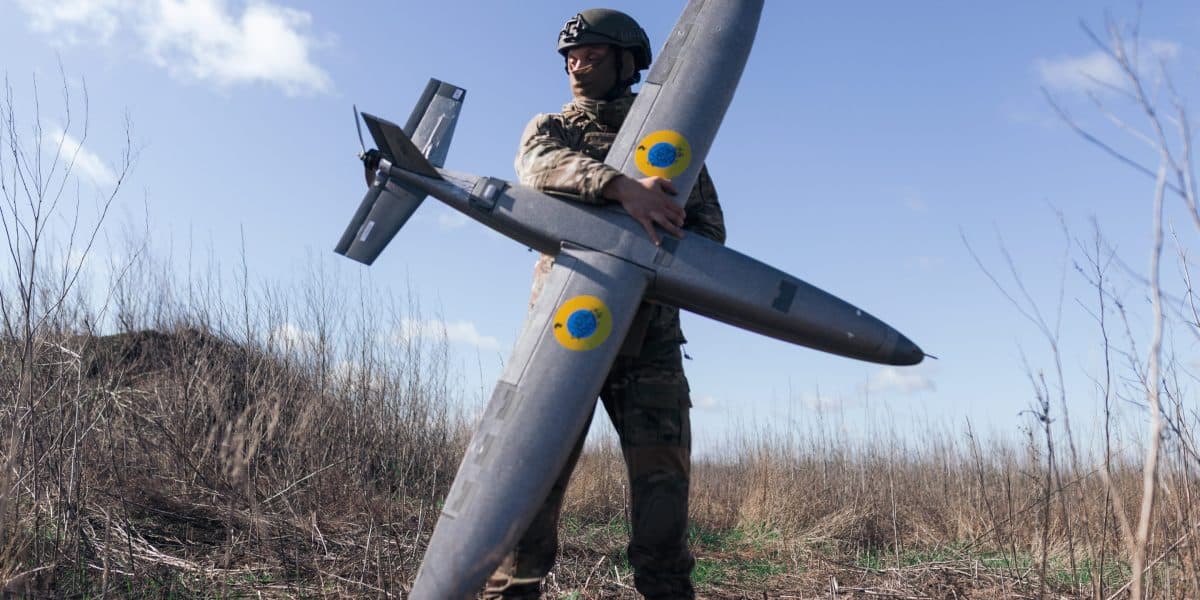
The situation also highlights Ukraine's shift toward drone warfare, which according to Fortune is creating new tactical challenges for Russian forces. This technological dimension adds another layer of unpredictability to the conflict's duration and ultimate costs, making long-term economic forecasting even more difficult for businesses with exposure to Eastern European markets or energy sectors.