Photo via Nyt News Today
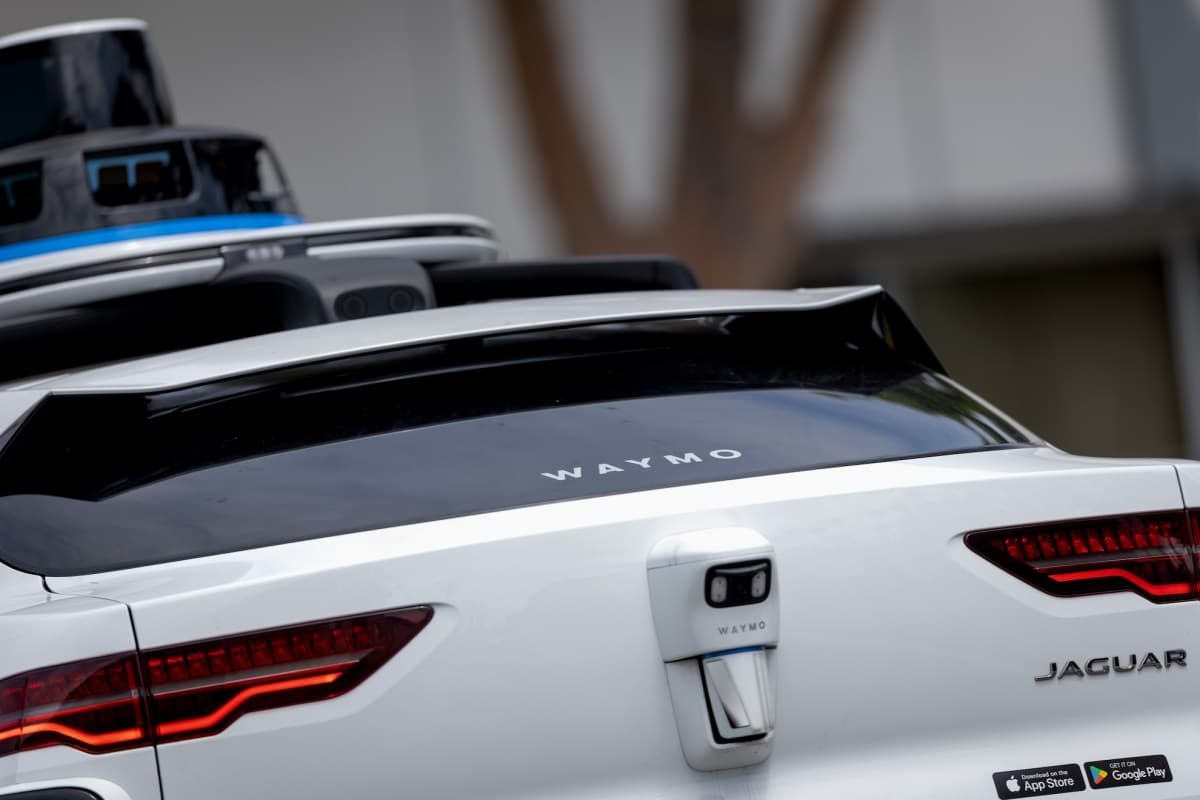
The autonomous vehicle industry faces a critical inflection point as companies like Waymo expand their robotaxi services across major U.S. cities. While these vehicles are operating in select markets, the technology remains far from the widespread, fully autonomous future that many predicted just years ago. According to TechCrunch's mobility coverage, this contradiction—robots are here, yet they're not—defines the current state of the industry and sets realistic expectations for what consumers can expect in the near term.
For Dallas business leaders watching transportation trends, the robotaxi rollout offers important lessons about managing investor expectations versus technical realities. The vehicles operating today typically function within geofenced areas with pre-mapped routes and human oversight capabilities, meaning they're solving specific mobility problems rather than replacing traditional rideshare across all conditions. This measured approach to deployment suggests that incremental progress, not overnight disruption, will characterize the autonomous vehicle transition.
The Dallas-Fort Worth region has emerged as a testing ground for autonomous vehicle technology, with various companies exploring partnerships and pilot programs in the metroplex. Understanding how robotaxis operate in constrained environments helps local businesses in logistics, real estate, and transportation services prepare for long-term changes to urban mobility patterns without overestimating near-term impact.
As the industry matures, companies and investors are learning that sustainable robotaxi adoption requires solving not just technical challenges but also regulatory approval, insurance frameworks, and public acceptance. For Dallas stakeholders, this extended timeline means businesses have time to strategically assess how autonomous mobility might affect their operations, supply chains, and real estate decisions over the coming years rather than quarters.