Photo via TechCrunch
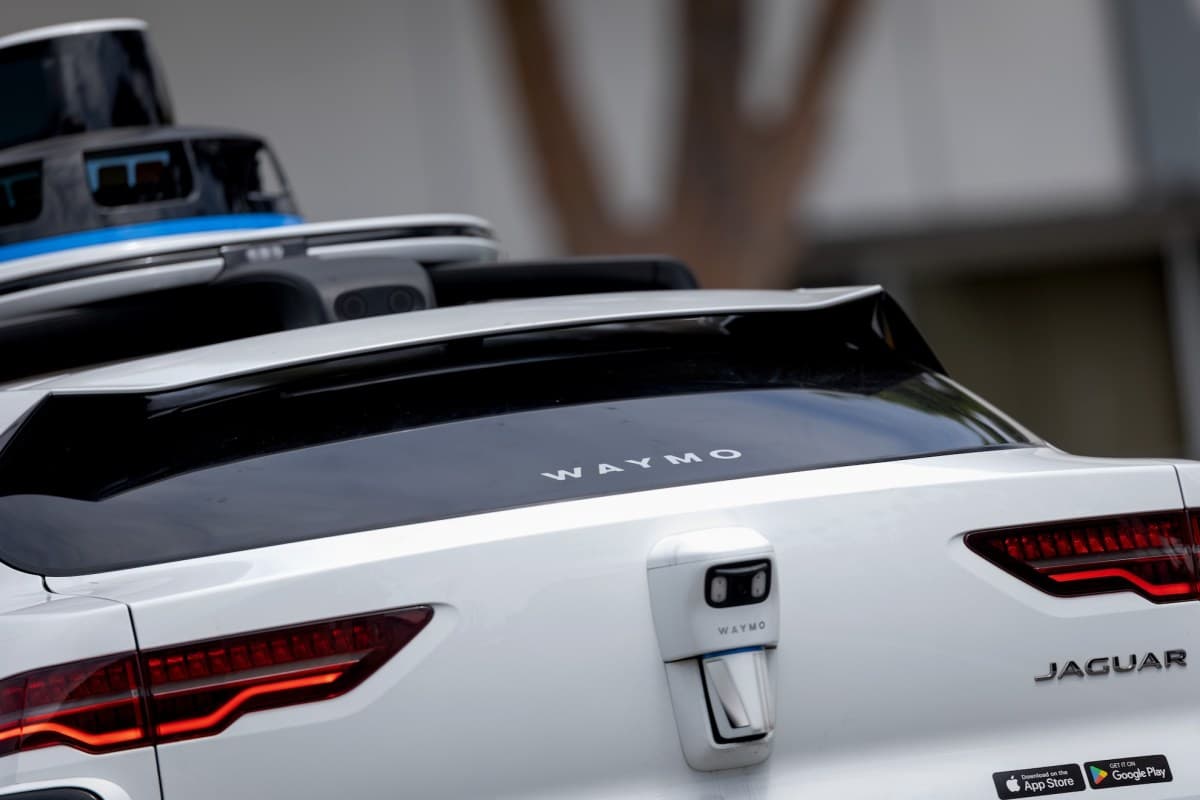
The autonomous vehicle industry is hitting a reality checkpoint. According to TechCrunch's latest mobility analysis, robotaxi companies are grappling with operational challenges, regulatory hurdles, and consumer adoption barriers that are forcing a recalibration of near-term expectations. For Dallas business leaders tracking the tech transportation sector, this slowdown presents an opportunity to understand what separates hype from sustainable business models.
Several factors are tempering robotaxi momentum: safety validation requirements remain stringent across states, insurance and liability frameworks remain unsettled, and consumer trust in driverless technology continues to build incrementally rather than exponentially. Companies in the space are managing investor expectations more carefully, focusing on profitability timelines rather than rapid fleet expansion. This measured approach mirrors broader patterns in the venture-backed transportation sector.
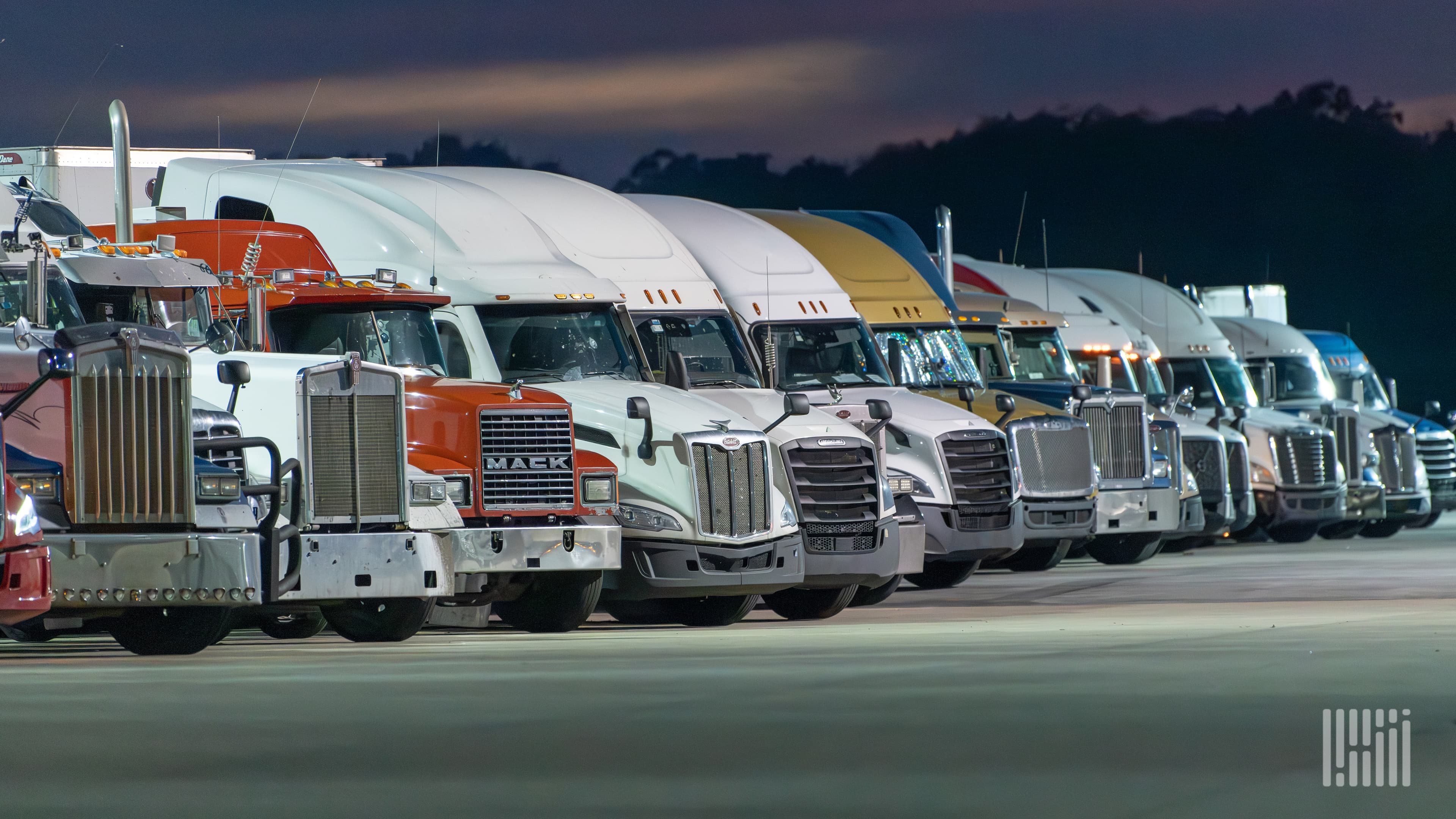
Dallas-area logistics, real estate, and technology companies should monitor how autonomous vehicle adoption reshapes supply chain economics and last-mile delivery costs. The region's growing freight corridor and tech startup ecosystem could benefit from or be disrupted by this transition, depending on how quickly viable solutions emerge. Local companies investing in mobility infrastructure or fleet operations would benefit from understanding the realistic adoption trajectory.
The robotaxi reality check underscores a valuable lesson for Dallas entrepreneurs: breakthrough technologies require not just innovation, but operational maturity, regulatory alignment, and genuine market demand. As the autonomous vehicle sector stabilizes around sustainable business models, opportunities will emerge for companies positioned at the intersection of technology, infrastructure, and logistics—sectors where North Texas maintains significant competitive advantages.