Photo via CNBC Business
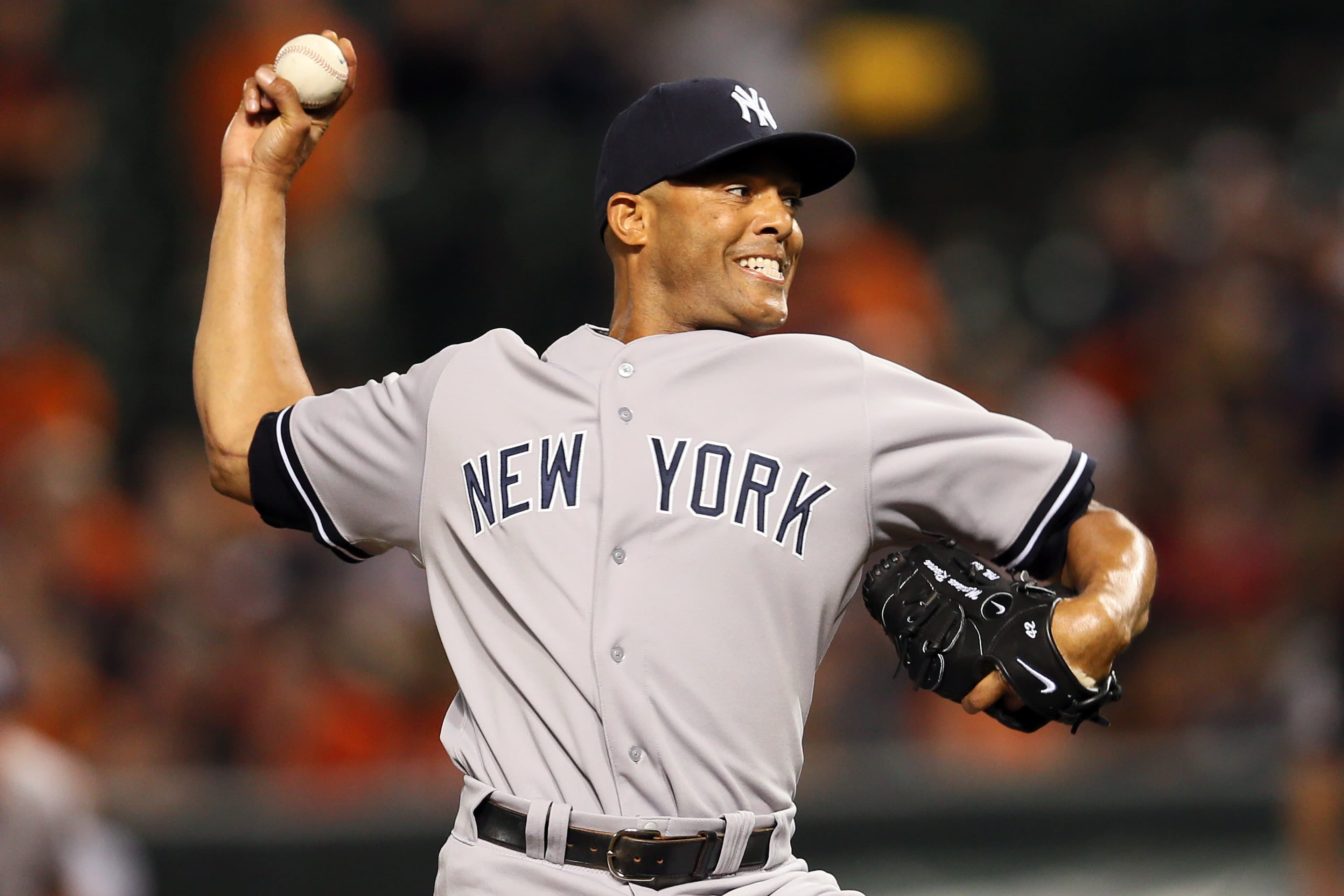
According to CNBC Business, legendary Yankees closer Mariano Rivera has publicly voiced support for implementing a salary cap in Major League Baseball, provided that smaller-market franchises commit to adequate payroll spending. Rivera's position reflects a growing conversation among retired athletes about how league-wide financial structures affect competitive fairness across all 30 teams.
The Hall of Famer's conditional endorsement addresses a long-standing tension in professional sports management: balancing revenue-sharing mechanisms with genuine competitive equity. By tying his support to small-market team spending requirements, Rivera acknowledges that a salary cap alone won't level the playing field unless accompanied by enforceable investment obligations from all ownership groups.
This perspective carries relevance for Dallas sports business observers, particularly as the Rangers, Mavericks, and other local franchises navigate their own financial strategies within their respective leagues' economic structures. Teams across sports industries are increasingly scrutinized on how they allocate resources—a conversation that affects everything from fan engagement to regional economic impact.
Rivera's stance underscores an evolving debate about professional sports governance: how leagues can maintain competitive integrity while protecting franchises in smaller media markets. His emphasis on accountability for all teams, regardless of market size, suggests a framework where structural reforms must include safeguards ensuring genuine participation from every organization.