Photo via Fortune
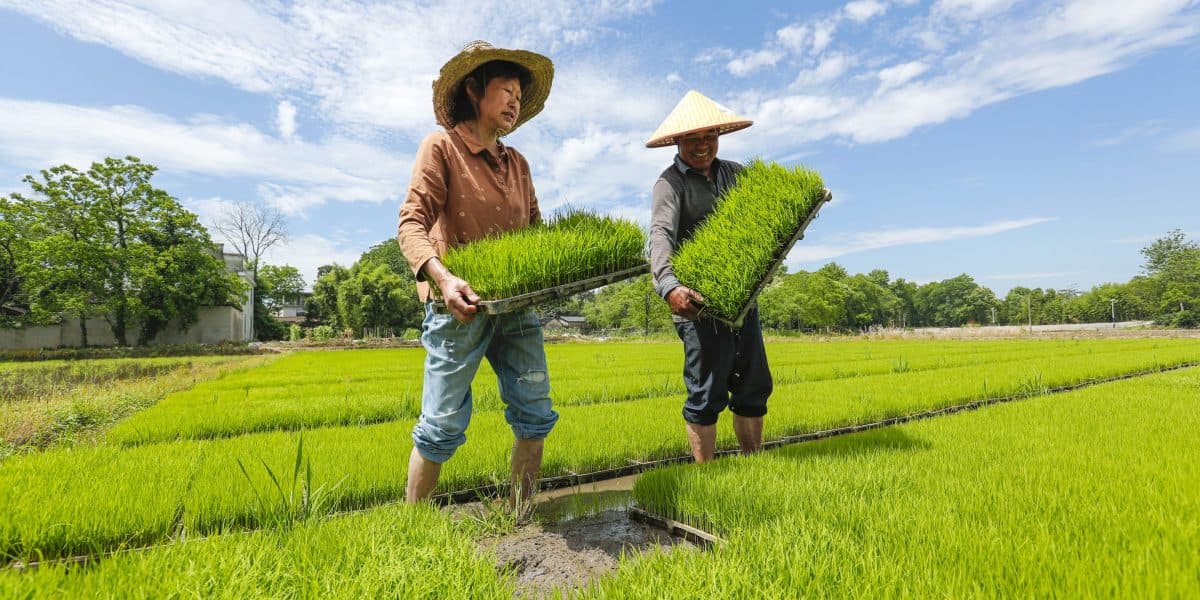
A recent study published in Nature Food reveals a sobering reality: rice paddies have become one of agriculture's largest sources of greenhouse gas emissions, second only to livestock. According to the research, emissions from rice cultivation have nearly doubled since the 1960s, creating an environmental footprint equivalent to 239 million cars on the road annually. For Dallas-area businesses involved in food distribution, agriculture, or supply chain management, this data underscores an emerging pressure to address sustainability throughout global sourcing networks.
The proliferation of rice farming to meet demands from a growing global population—rice feeds more than half the world—has intensified environmental concerns. Methane emissions from flooded rice paddies represent a significant portion of agriculture's climate impact, yet the issue remains less discussed than livestock farming. Companies sourcing rice or rice-based products must now grapple with the reality that their supply chains carry substantial carbon liabilities, particularly as corporate sustainability commitments become non-negotiable for investors and consumers.
For Texas-based food manufacturers, retailers, and agricultural businesses, this research signals potential regulatory changes ahead. State and federal environmental policies may soon target agricultural emissions more aggressively, creating compliance costs and operational challenges. Organizations relying on rice—whether as a primary ingredient, packaging filler, or animal feed—should begin evaluating their sourcing strategies and carbon accounting practices to stay ahead of inevitable policy shifts.
The study highlights an important blind spot in climate discussions: while attention often focuses on fossil fuels and transportation, agriculture's role in emissions remains underexamined. Dallas business leaders should consider how this emerging data might reshape consumer preferences, supply chain vulnerabilities, and investment opportunities in sustainable farming technologies. Companies proactively addressing agricultural emissions now may find competitive advantage as stakeholders increasingly demand transparency and responsibility in food systems.