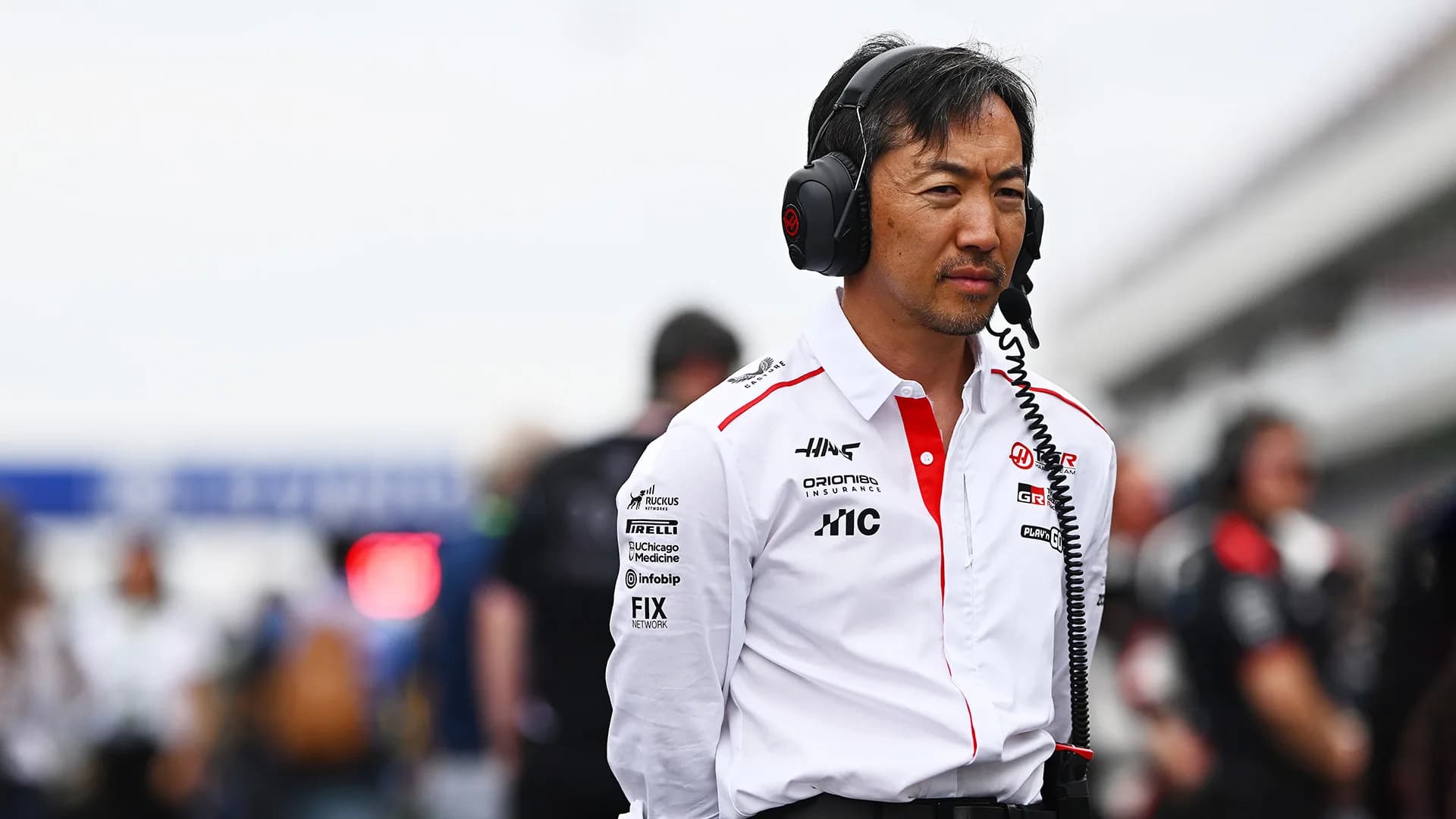
Photo via Inc.
Effective leadership often comes down to a counterintuitive principle: the best managers eliminate obstacles rather than impose additional constraints. According to Inc., this philosophy underpins the recent turnaround at Haas F1, where team principal Ayao Komatsu has refocused his organization by identifying what's preventing performance rather than simply tightening control. For Dallas business leaders managing complex operations—whether in tech, energy, or manufacturing—this distinction matters enormously.
Komatsu's approach reflects a growing recognition that excessive rules and rigid hierarchies can stifle innovation and agility. Instead of micromanaging, transformational leaders audit their organizational structures to pinpoint genuine friction points. In competitive environments like Dallas's thriving corporate landscape, companies that can quickly adapt by removing red tape often outpace those bogged down by bureaucracy. The principle applies equally to startups scaling rapidly and established enterprises modernizing operations.
This leadership model also addresses a common challenge Dallas-area executives face: retaining top talent amid intense competition for skilled workers. When employees encounter unnecessary bureaucratic barriers, they become disengaged. By contrast, teams that experience streamlined processes and trust-based leadership report higher engagement and retention. Komatsu's methodology suggests that removing obstacles directly signals confidence in your team's capability—a morale factor that compounds over time.
The broader lesson for Dallas business leaders is clear: before adding new policies, procedures, or oversight mechanisms, conduct an honest assessment of what's actively preventing success. Sometimes the most powerful leadership move isn't deciding what to require, but rather deciding what to eliminate. This framework has proven effective from Formula 1 racing to corporate boardrooms, making it particularly relevant for executives navigating Dallas's increasingly competitive business environment.