Photo via Fortune
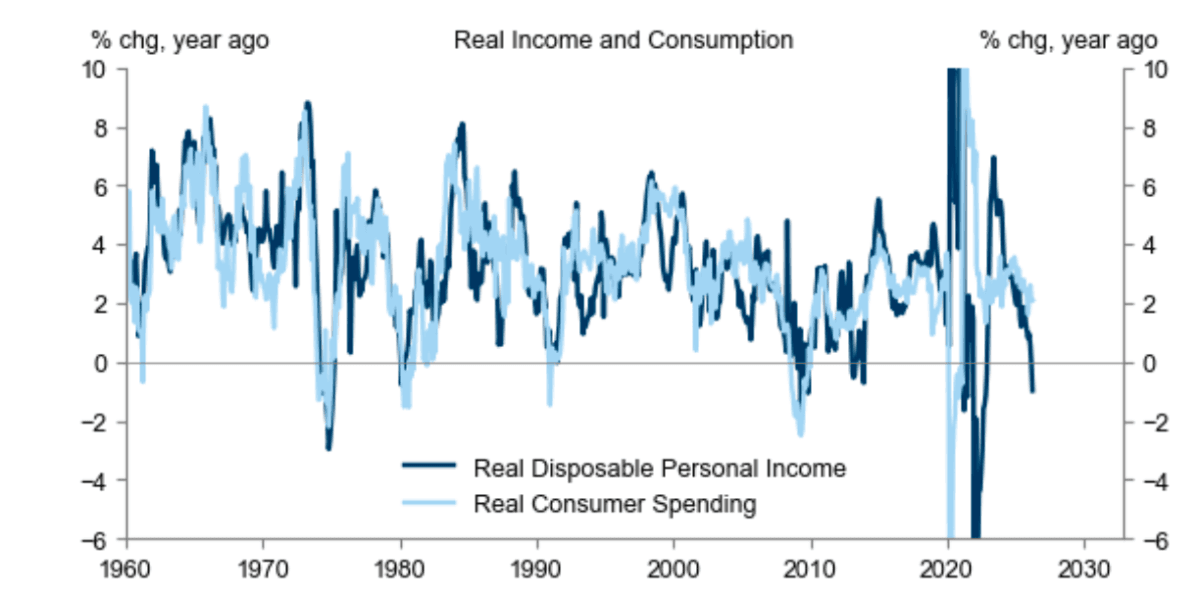
American workers are experiencing a troubling slowdown in real wage growth that mirrors patterns typically seen during economic downturns, according to analysis from Goldman Sachs. Despite the absence of an official recession, the dynamics affecting paychecks suggest consumers are entering a period of financial strain. This warning carries particular weight for Dallas business leaders who depend on robust consumer spending and employee retention.
The distinction between nominal and real income growth is crucial here. While headline wage figures may appear adequate, when adjusted for inflation, workers' actual purchasing power is expanding at a pace rarely observed outside recessionary periods. This divergence means Dallas-area families are finding their dollars stretch less far at the grocery store, gas pump, and shopping mall — pressuring both household budgets and local retail performance.
For North Texas employers, this dynamic presents a dual challenge. Talent acquisition becomes more competitive as workers seek higher nominal wages to offset inflation's impact on their standard of living. Simultaneously, consumer-facing businesses may face reduced demand if households tighten spending in response to weakened real income. Companies across healthcare, technology, and retail sectors are already monitoring these trends closely.
Understanding these wage dynamics is essential for Dallas business strategy going forward. Whether through adjusted compensation packages, flexible work arrangements, or pricing strategies, local leaders should prepare for an extended period where employee and consumer behavior reflect financial pressure—even absent a formal recession designation.