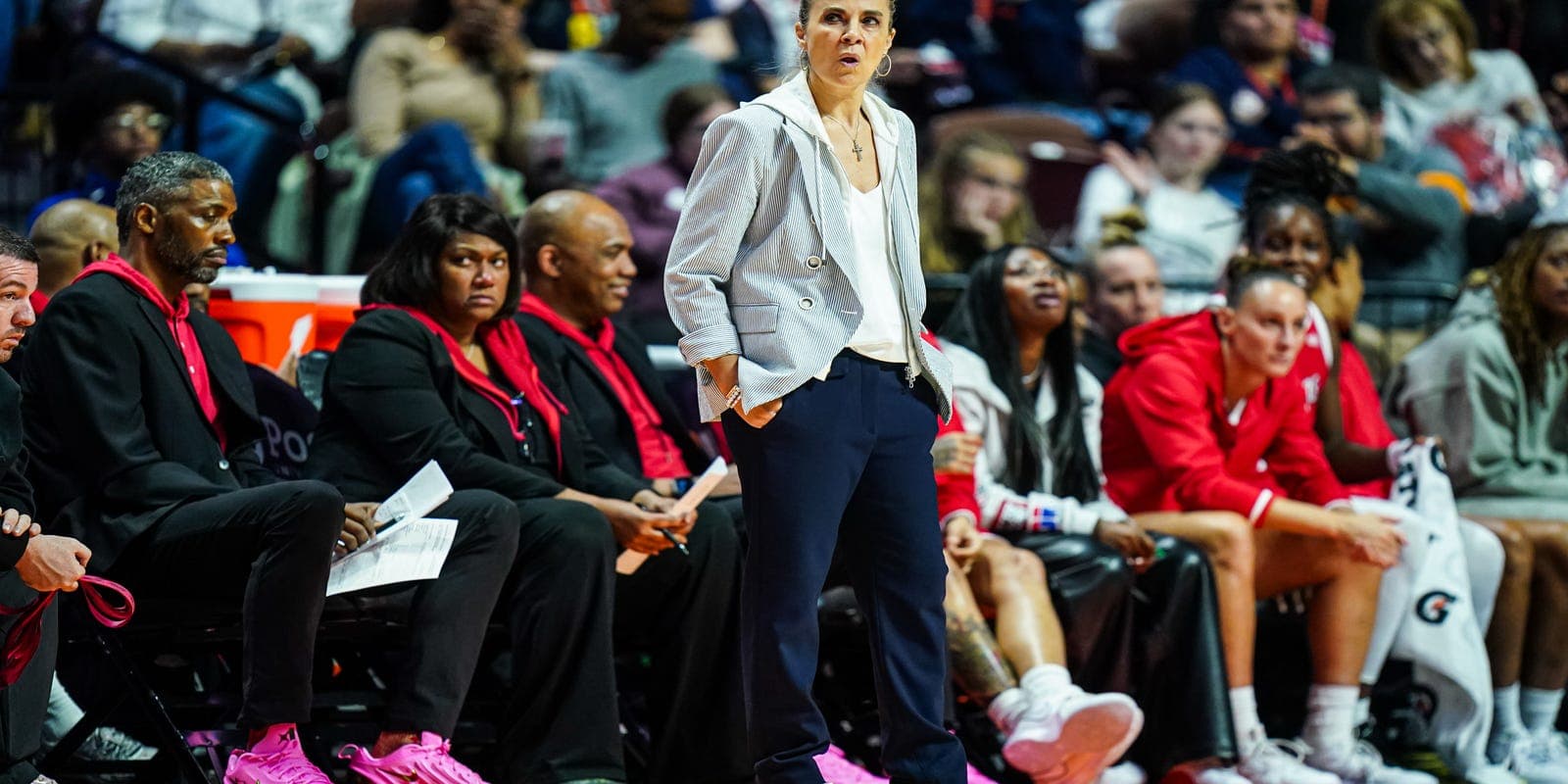
Photo via Usa Today
Becky Hammon, head coach of the WNBA champion Las Vegas Aces, has become known for a distinctive sartorial choice: pairing professional blazers with casual hoodies. According to USA Today, this signature combination isn't merely a fashion preference—it represents a deliberate statement about leadership identity and team culture. For Dallas-area executives and entrepreneurs, Hammon's approach offers a case study in how consistent personal branding can reinforce organizational values without sacrificing authenticity.
The blazer-hoodie hybrid serves as a visual metaphor for Hammon's coaching philosophy: blending formality with approachability, strategic rigor with human connection. This deliberate inconsistency in dress code challenges traditional executive norms that dominated boardrooms and sports management for decades. Dallas business leaders increasingly recognize that rigid dress codes may alienate younger talent and obscure authentic leadership qualities that drive performance.
Hammon's choice also speaks to the broader cultural evolution within professional sports and corporate environments. The reigning WNBA champions have built their identity partly around this visible authenticity from leadership. As Dallas companies compete for top talent in an increasingly competitive market, the ability to project both competence and relatability—much like Hammon's wardrobe choice—has become a competitive advantage in recruitment and retention.
For Dallas entrepreneurs and executives, the takeaway extends beyond fashion: successful leaders establish recognizable personal brands that align with their organization's values. Hammon's consistent, unconventional style creates immediate visual recognition while signaling that her team operates differently from traditional hierarchies. In a region with growing tech, startup, and professional sports sectors, this lesson about intentional self-presentation and cultural alignment deserves serious consideration.