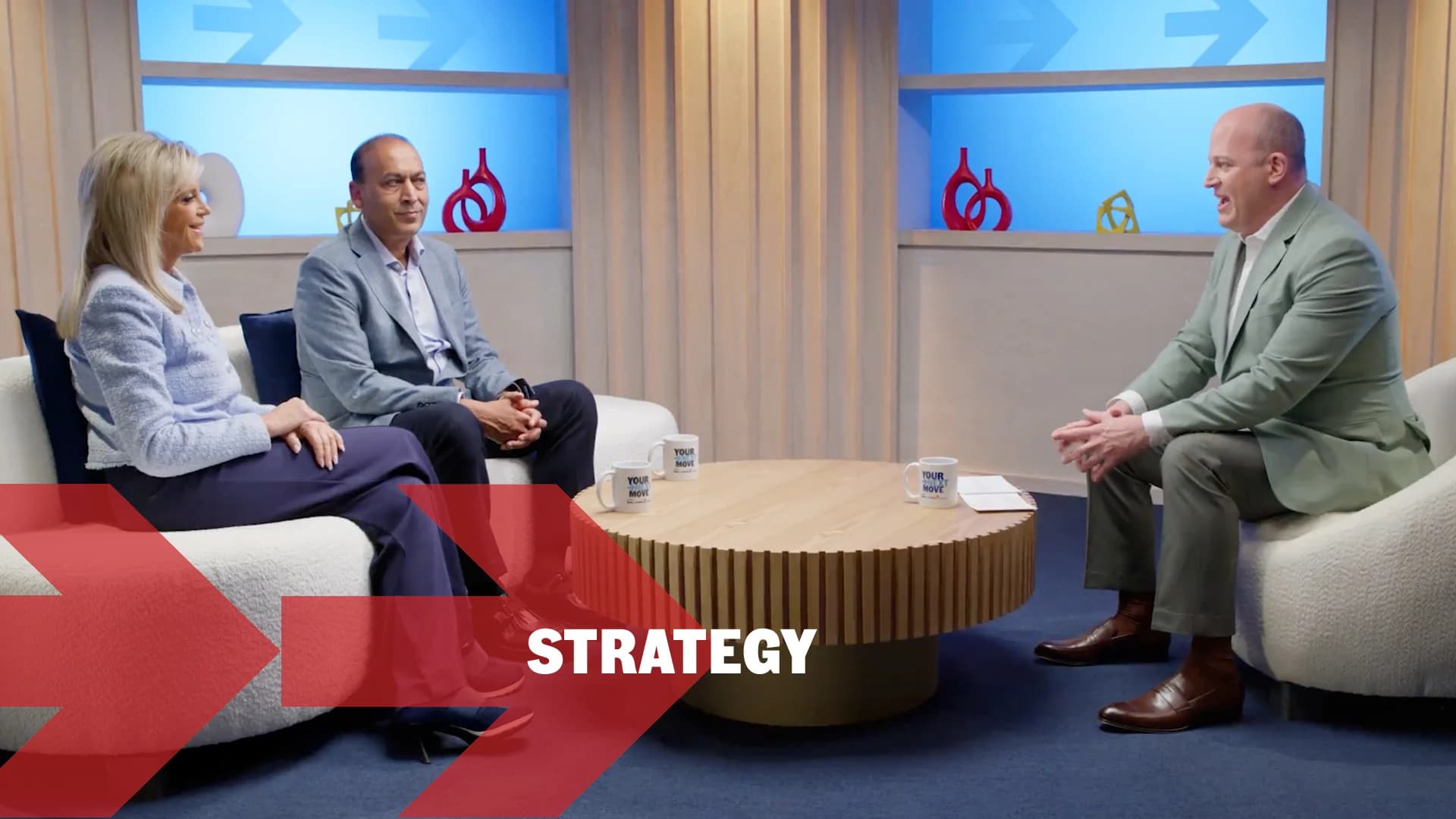
Photo via Inc.
According to Inc., Manish Chandra, founder of the online resale marketplace Poshmark, encountered significant complications when attempting to restructure the platform's fee structure after operating under the same model for over a decade. What appeared to be a straightforward business adjustment revealed unexpected complexities lurking beneath the surface of the company's operations.
The fee model change illuminated how many operational elements had become deeply embedded in Poshmark's ecosystem without explicit attention. When adjusting commission structures or seller incentives, the company discovered that numerous interdependent systems—from seller behavior patterns to algorithm adjustments—had quietly adapted to the existing framework over 14 years.
For Dallas-area entrepreneurs and business leaders, Chandra's experience serves as a valuable lesson about the importance of understanding invisible dependencies within scaling operations. As companies grow and mature, foundational decisions made early on often become so integrated into daily operations that leadership may overlook their interconnected nature until forced to confront them during major changes.
This case underscores why established companies planning significant operational shifts should conduct thorough audits of their systems, vendor relationships, and customer behavior patterns before implementation. The fallout from Poshmark's adjustment demonstrates that even well-intentioned strategic changes require careful mapping of downstream effects across all business functions.