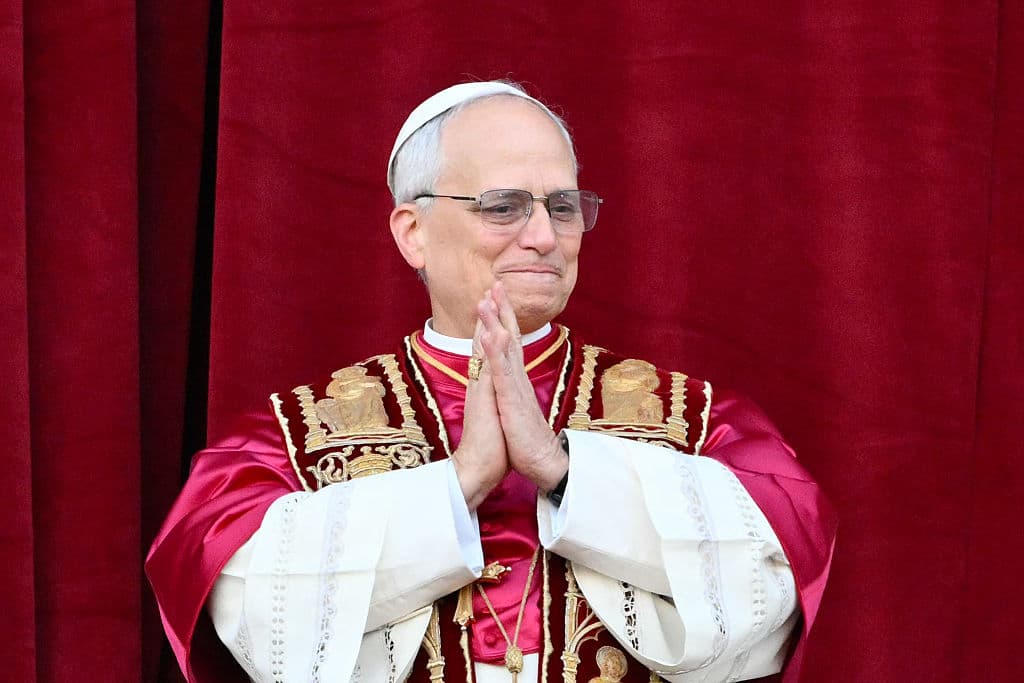
Photo via TechCrunch
Pope Leo XIV's inaugural encyclical addresses artificial intelligence, but according to analysis from TechCrunch, the document's true focus extends far beyond the technology itself. Instead, the papal statement leverages AI as a diagnostic tool to examine systemic problems that have long threatened democratic institutions and equitable economic opportunity.
At the heart of the encyclical's argument is concern over concentrated power among a small group of technology-enabled elites who increasingly shape global markets and public policy. For Dallas business leaders, this perspective underscores ongoing debates about market consolidation, regulatory oversight, and the responsibility of large technology firms that operate across multiple industries and regions.
The encyclical frames artificial intelligence as a symptom rather than the disease itself, pointing to deeper institutional challenges including the erosion of democratic processes and decision-making authority concentrated among unelected corporate actors. These concerns resonate particularly in Texas, where businesses grapple with evolving regulatory expectations and stakeholder demands for greater transparency and accountability.
The Vatican's intervention in technology governance reflects a broader recognition that AI policy discussions cannot be separated from fundamental questions about power distribution, market competition, and corporate influence on society. For Dallas-area executives and investors, this signals that technology ethics and corporate responsibility will remain central to business strategy and stakeholder relations going forward.