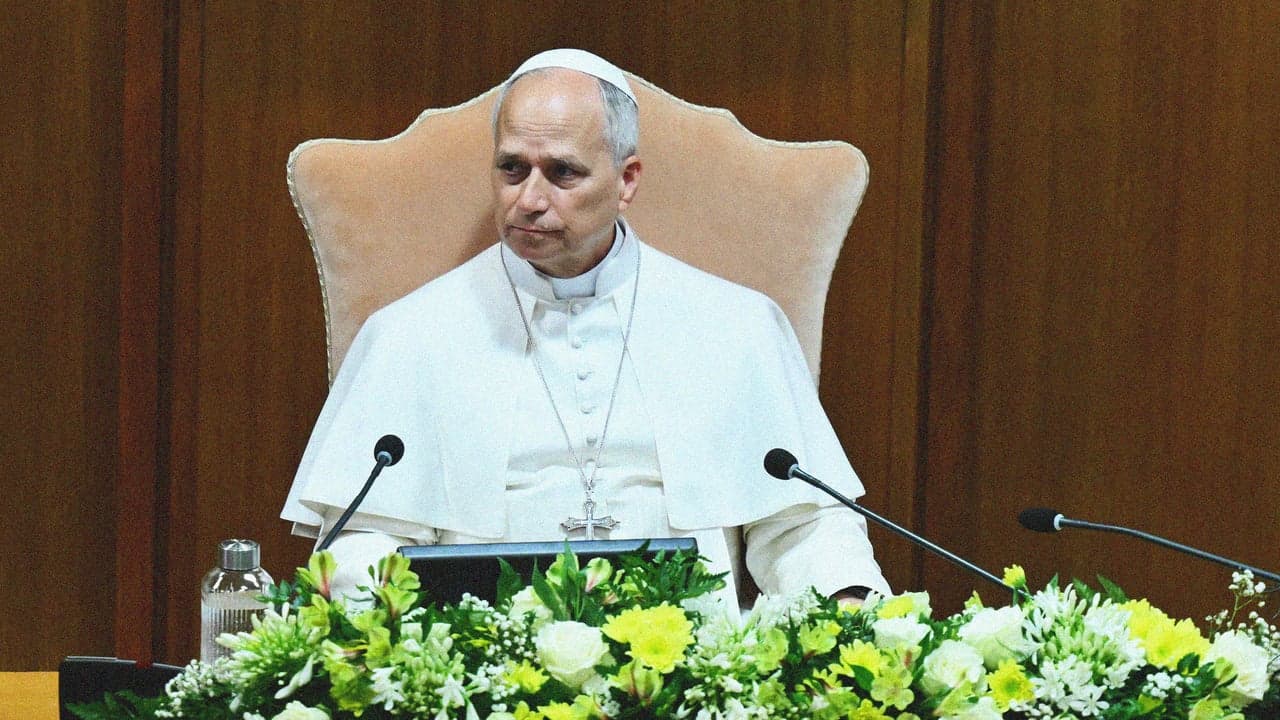
Photo via Fast Company
Pope Leo XIV released a comprehensive 85-page encyclical this week titled 'Magnifica Humanitas: On Safeguarding the Human Person in the Time of Artificial Intelligence,' addressing concerns about how AI development is concentrated among a small group of wealthy investors and corporations. The Vatican document emphasizes fundamental differences between humans and machines while warning against what it calls the 'culture of power' driving the AI race. According to Fast Company, the encyclical drew input from scientists, engineers, educators, political leaders, and families worldwide, reflecting growing religious and philosophical scrutiny of AI's role in society.
Leading AI researchers largely endorsed the pope's central thesis that artificial intelligence reflects the values of those who build, finance, and regulate it. Turing Award winners Yann LeCun and Yoshua Bengio agreed with concerns about concentrated corporate control potentially creating 'digital oligarchies,' with Bengio comparing AI governance to nuclear energy management. However, some commentators disagreed with the document's assertion that machines cannot develop consciousness or moral reasoning, arguing the encyclical therefore addresses only 'relatively mundane' AI dangers rather than existential risks.
The policy debate highlighted a significant divide on regulation between religious institutions and the Trump administration. While the Vatican suggests broad governance frameworks, figures like former AI czar David Sacks argue that government oversight poses greater risks of censorship and social control than private-sector self-regulation. This philosophical clash matters for Dallas-area tech companies and their stakeholders, as it shapes national AI policy frameworks affecting everything from workforce development to enterprise adoption strategies.
The encyclical's reception reveals an industry still grappling with fundamental questions about AI's nature and proper governance. For Dallas business leaders investing in or deploying AI technologies, these competing visions—concentrated corporate control versus government regulation versus distributed oversight—will likely influence everything from talent recruitment to compliance requirements in coming years. The debate underscores that AI governance is no longer purely a technical matter but increasingly a question of human values and institutional trust.