Photo via Fast Company
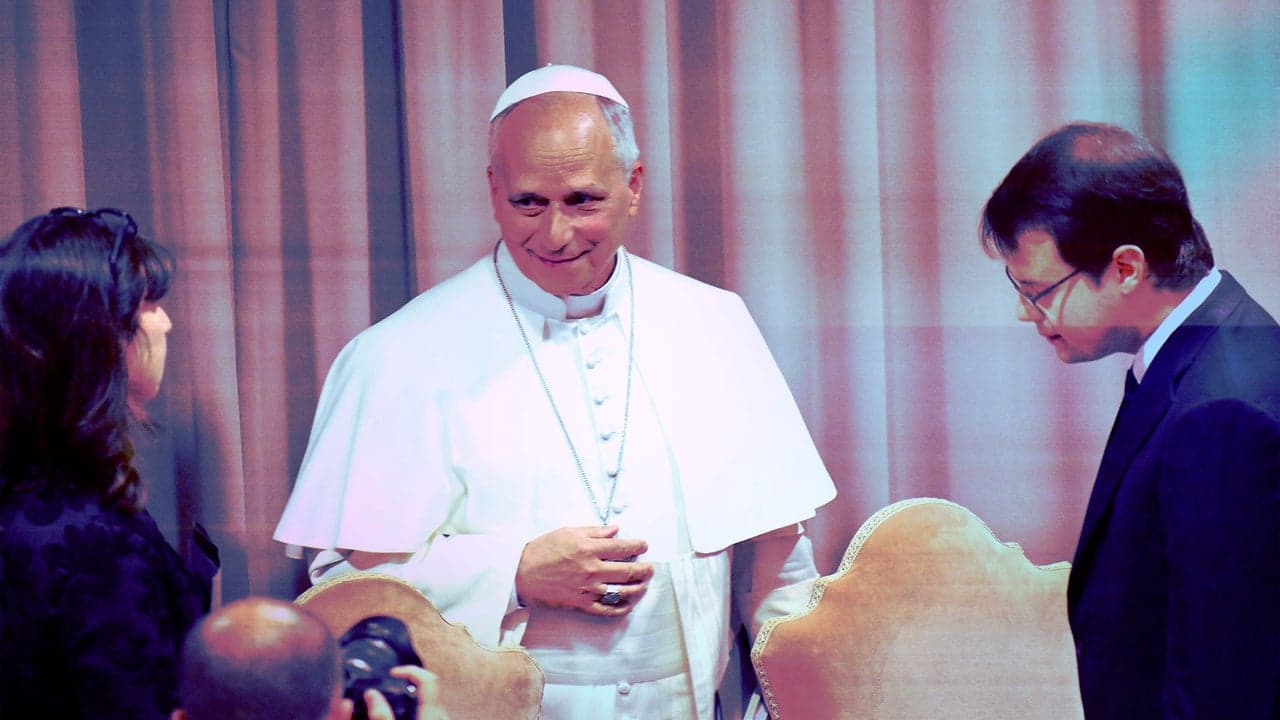
Pope Leo XIV's newly released encyclical on artificial intelligence has sparked widespread discussion about the pace and scope of tech adoption in the workplace and beyond. Titled Magnifica Humanitas, the 42,300-word pastoral letter urges organizations to exercise 'responsible care' when implementing AI systems, advocating for prudent evaluation rather than wholesale resistance to technological progress. For Dallas business leaders managing digital transformation initiatives, the document underscores an increasingly mainstream perspective: moving deliberately with emerging technology isn't about halting innovation—it's about protecting long-term organizational health.
The encyclical has resonated differently across the business community, with prominent voices offering contrasting views on its merits. Blake Scholl, founder and CEO of Boom Supersonic, publicly countered the pope's stance, arguing that technological disruption has historically created net job growth despite transitional displacement. According to Scholl, clinging to outdated processes to preserve existing roles contradicts economic history. This debate reflects ongoing tensions in Dallas tech and aerospace sectors, where companies balance workforce concerns against competitive pressures to modernize rapidly.
Beyond the headline-grabbing social media reactions, the encyclical's circulation signals a broader cultural moment: institutions are being forced to engage substantively with AI governance and ethics. Dallas-based enterprises—from financial services to healthcare to logistics—are increasingly fielding similar questions from employees, clients, and stakeholders about the responsible deployment of automated systems. The papal letter essentially legitimizes a more cautious approach that many corporate boards are already considering, whether driven by regulatory concerns, talent retention, or genuine ethical commitments.
For Dallas business professionals, the takeaway extends beyond theological commentary. The encyclical underscores that stakeholder expectations around AI implementation are shifting. Companies that can articulate a measured, transparent approach to automation—one that acknowledges workforce implications and preserves human judgment in critical decisions—may find themselves better positioned with employees, customers, and investors than those pursuing technology adoption at maximum speed. As AI governance becomes a material business consideration, Pope Leo's call for 'prudence and rigorous evaluation' reflects practical wisdom already taking hold in boardrooms.