Photo via Inc.
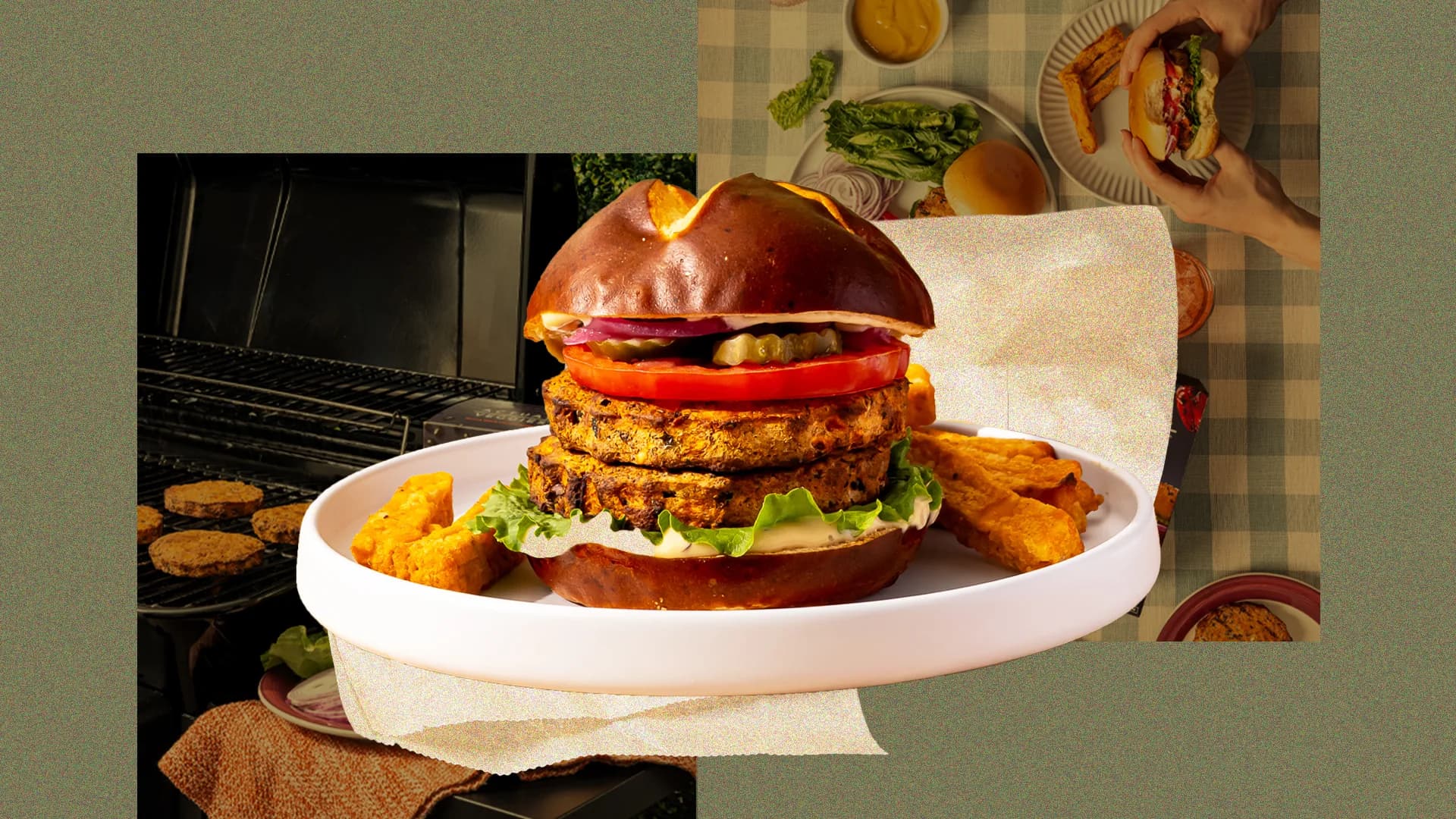
The plant-based food sector is undergoing a notable recalibration. According to Inc., traditional vegetable-based burger companies have surpassed $20 million in sales by capitalizing on retail shelf space recently abandoned by high-profile brands like Beyond Meat and Impossible Foods. This market repositioning reflects a fundamental change in how consumers approach plant-forward eating.
The rise of conventional veggie burgers represents a swing away from ultra-processed meat substitutes toward simpler, recognizable ingredients. Dallas-area grocery chains and natural food retailers are responding to this consumer demand by featuring these products more prominently, creating opportunities for established and emerging brands in the competitive plant-based category.
The retreat of heavily funded synthetic meat companies has created a vacuum that traditional plant-based manufacturers are efficiently filling. This shift suggests that consumers may prioritize ingredient transparency and taste authenticity over technological innovation in their food choices—a lesson relevant to food entrepreneurs across North Texas.
For Dallas business leaders in retail and food distribution, this trend underscores the importance of reading market signals beyond hype cycles. As the plant-based category matures, success increasingly depends on understanding local consumer preferences and maintaining agility to adapt product positioning and shelf placement strategies accordingly.