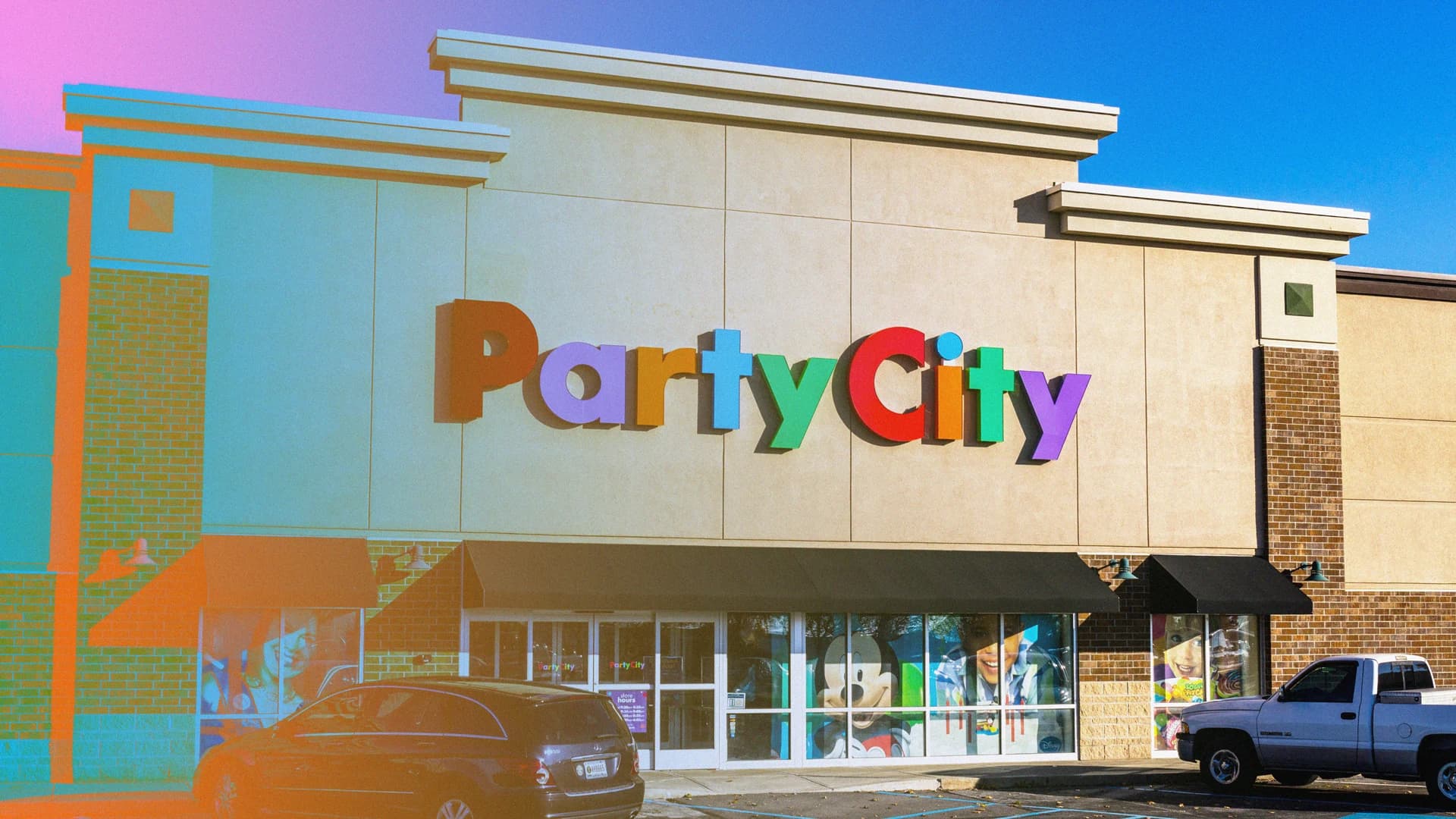
Photo via Inc.
Party City's return marks a notable chapter in retail recovery, coming after the company navigated two Chapter 11 bankruptcy filings before closing its entire store footprint in 2024. The move underscores how even established retailers with decades of history can face existential challenges in today's competitive landscape. For Dallas-area business leaders, the case offers insights into how consumer discretionary retailers are adapting to shifting shopping patterns and economic pressures.
The company's comeback location has proven unexpected, according to reporting from Inc., signaling a potential shift in how defunct retailers are re-entering the market. Rather than attempting a traditional nationwide expansion, the company is taking a more cautious, targeted approach to rebuilding its presence. This strategy reflects broader retail industry trends toward smaller footprints and more selective market entries.
Dallas has historically served as a significant market for party goods and event-related retail, making the region a bellwether for how consumer discretionary spending rebounds. The company's relaunch decisions may influence how other shuttered retailers approach their own potential returns, particularly in Texas where consumer confidence and spending patterns continue to recover.
For Dallas business observers, Party City's resurrection serves as a case study in retail resilience and strategic repositioning. The company's experience demonstrates that bankruptcy and store closures don't always mean permanent exit from the market—but that successful returns require fundamentally rethinking business models and market strategies in an increasingly challenging retail environment.