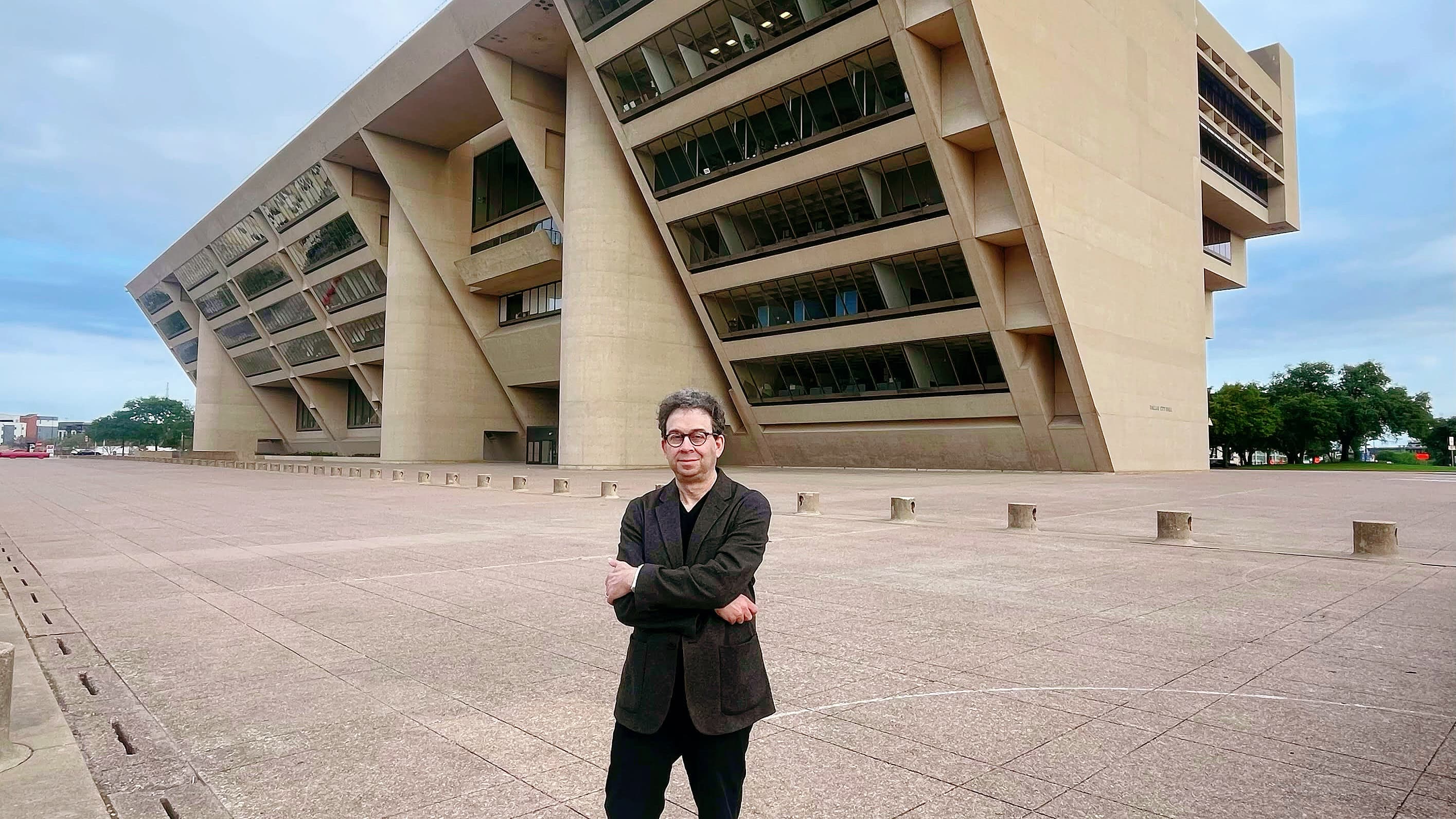
Photo via Dispatch Argus
A quiet revolution is reshaking how American cities approach development. According to reporting from the Dispatch Argus, since 2019, fourteen states and more than 100 cities have scaled back or eliminated parking minimums—the long-standing rules requiring new construction projects to include a set number of parking spaces. The shift reflects a fundamental reckoning: mandatory parking requirements drive up construction costs, pricing out affordable housing and slowing multifamily development in markets already facing supply shortages.
For Dallas, where rapid growth has intensified housing affordability concerns, the parking minimum debate carries particular weight. Dallas developers and City Hall officials have increasingly questioned whether one-size-fits-all parking requirements make sense in walkable urban neighborhoods or near transit corridors. By reducing or eliminating these mandates, cities create financial room for more affordable units and allow developers to allocate resources toward actual housing rather than expensive structured parking or surface lots.
The movement suggests a broader recalibration of urban planning priorities. As cities compete for talent and residents, they're recognizing that parking minimums can inadvertently suppress housing supply—the opposite of their original intent. For Dallas business leaders, real estate professionals, and city planners, understanding this national trend is essential as local zoning discussions evolve and the region continues its search for sustainable, affordable growth strategies.