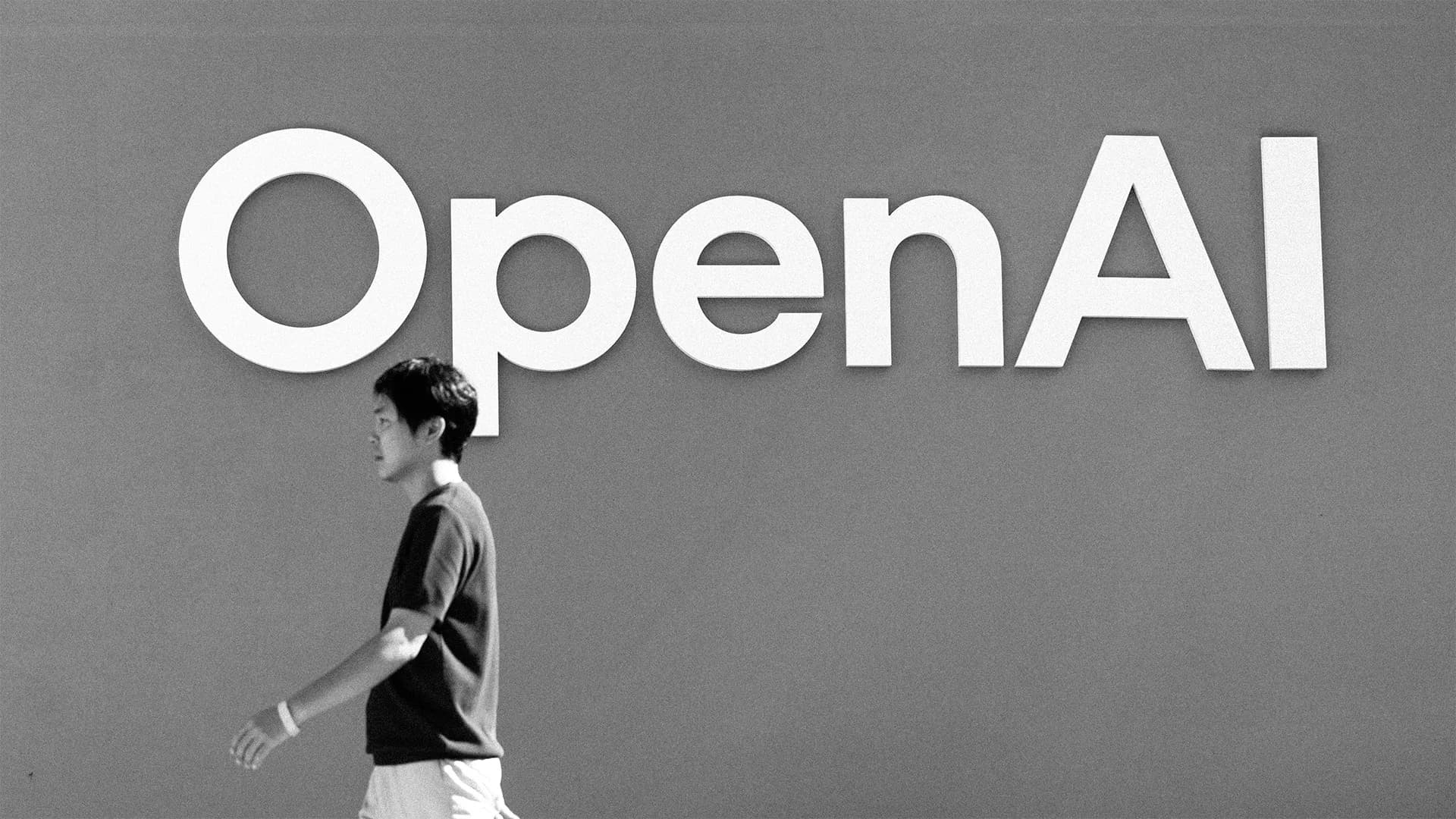
Photo via Inc.
OpenAI executed a significant secondary share offering that distributed $6.6 billion among early employees and investors, according to reporting from Inc. Magazine. Approximately 75 early-stage employees each received roughly $11 million on average, with some of the company's longest-tenured contributors walking away with payouts reaching $30 million. The transaction underscores the extraordinary financial returns now possible in artificial intelligence ventures.
This liquidity event carries important implications for Dallas's emerging tech ecosystem. While the city has cultivated strengths in software, telecommunications, and enterprise technology, the ability of AI startups to generate nine-figure employee payouts may influence talent recruitment and retention strategies for local tech firms. Dallas-based technology companies competing for experienced engineers and researchers must now contend with compensation packages that reflect the venture capital influx into AI-focused businesses.
The OpenAI payout reflects broader market dynamics reshaping venture capital allocation. As generative AI adoption accelerates across industries—from healthcare to energy to financial services—investors are channeling capital toward companies positioned at the technology's forefront. For Dallas business leaders, this trend signals where innovation capital is concentrating and which skill sets command premium valuations in the current market.
The precedent set by OpenAI's secondary offering may also influence how Dallas startups structure employee equity and liquidity planning. Early employees and founders increasingly expect pathways to wealth creation before traditional IPO timelines. Local venture firms and growing technology companies should consider how secondary offerings and strategic share sales might become standard practice for retaining talent in an increasingly competitive talent marketplace.