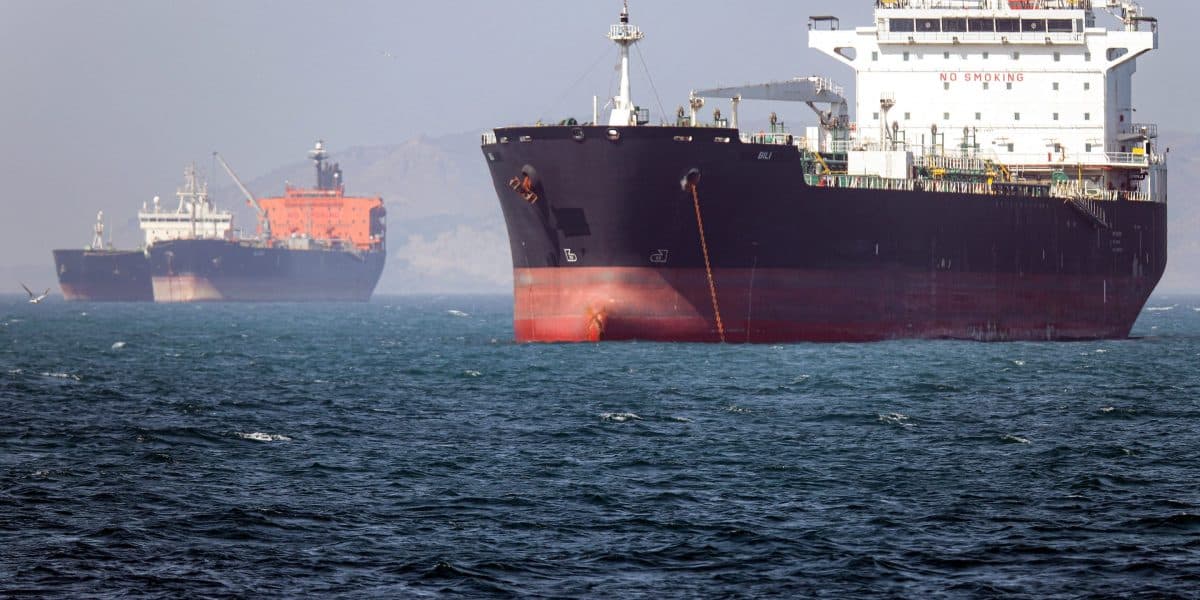
Photo via Fortune
Oil markets experienced a significant selloff this week following reports that the U.S. is nearing a deal with Iran that could reopen the Strait of Hormuz, one of the world's most critical chokepoints for energy transport. According to Fortune, global crude benchmark Brent crude fell as much as 5.2% to $98.12 per barrel, while West Texas Intermediate—the domestic benchmark most closely watched by Texas energy producers—traded near $92.
For Dallas-area energy companies and refiners, lower crude prices present a mixed picture. While independent producers face pressure on profit margins, downstream refiners and petrochemical manufacturers benefit from reduced input costs. The prospect of increased crude supply flowing through the Strait of Hormuz could further stabilize prices and reduce the geopolitical risk premium that has kept energy costs elevated in recent months.
The potential Iran agreement represents a significant shift in global energy dynamics. If negotiations succeed and sanctions ease, Iranian crude could return to international markets at meaningful volumes for the first time in years. This supply increase would work against the production cuts coordinated by OPEC, adding downward pressure on prices that could persist through the remainder of the year.
Energy investors and executives in the Dallas region are monitoring negotiations closely, as sustained lower oil prices could reshape investment decisions across exploration, refining, and renewable energy sectors. The outcome of Iran talks may ultimately influence whether Texas operators pivot toward operational efficiency and cost management or pursue expansion strategies dependent on higher commodity prices.