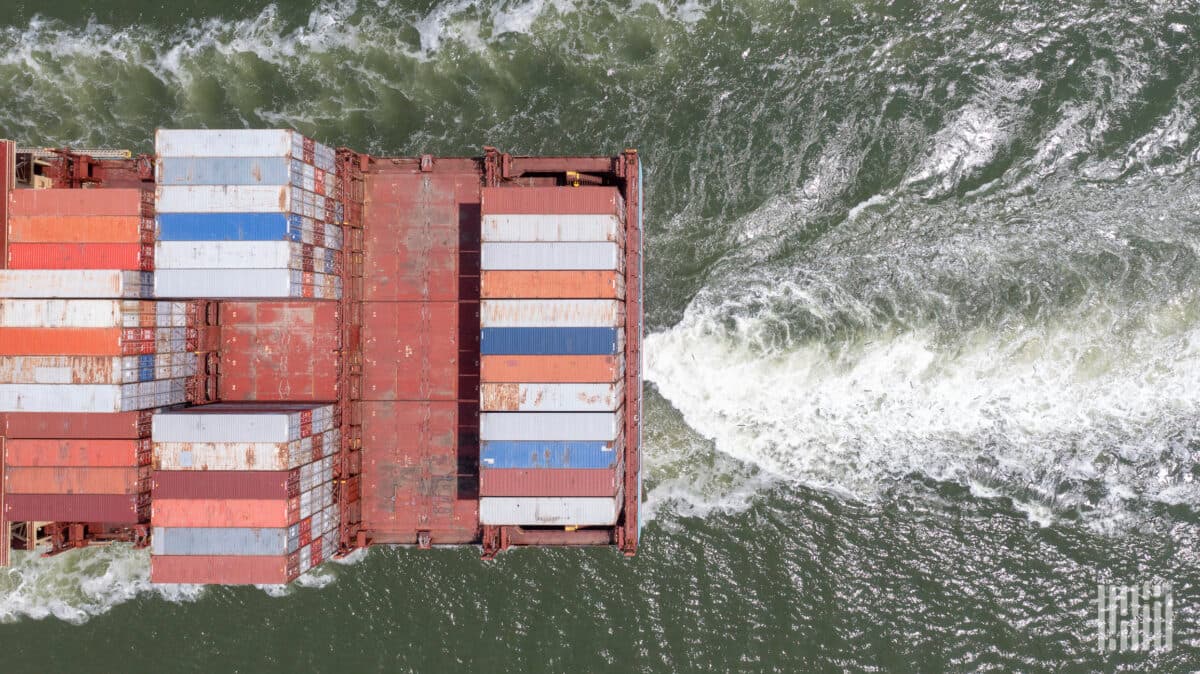
Photo via FreightWaves
According to industry observers, ocean carriers have implemented emergency bunker surcharges in response to geopolitical tensions affecting global trade routes, particularly amid the Iran conflict. The introduction of these additional charges comes on top of existing fuel price adjustment mechanisms, creating a potential compliance issue for shippers who may inadvertently absorb duplicate fuel cost increases without realizing it.
The dual-surcharge structure raises questions about pricing transparency in the shipping industry and whether standard fuel adjustment clauses in contracts already account for market volatility. Shippers are being advised to carefully audit their billing statements and review their service agreements to determine whether they are being charged for fuel cost increases twice—once through conventional adjustments and again through emergency levies.
Industry experts recommend that shippers engage directly with their ocean carriers to clarify fuel-related charges and negotiate adjusted terms if necessary. Those managing significant shipping volumes should conduct a comprehensive review of recent invoices and consider renegotiating contracts to eliminate redundant surcharges or obtain refunds for any overcharges incurred during volatile market periods.