Photo via Entrepreneur
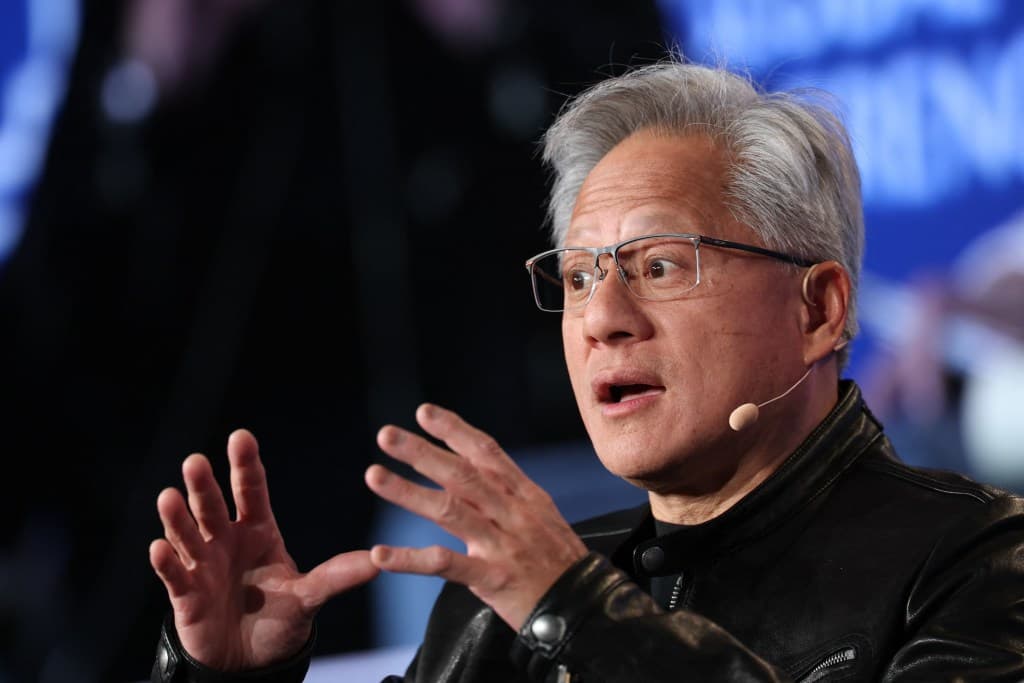
Nvidia CEO Jensen Huang recently took a contrarian stance in his Carnegie Mellon University commencement address, pushing back against widespread anxiety among young professionals about artificial intelligence displacing workers. Rather than dismissing graduates' concerns, Huang acknowledged the real transformation underway while offering a more nuanced view of how AI will reshape the labor market—a message particularly relevant for Dallas's growing tech sector and corporate headquarters.
According to Huang's remarks, the historical pattern of technological disruption suggests that while certain job categories may decline, new opportunities typically emerge elsewhere in the economy. His perspective aligns with how previous technological shifts—from automation to digitalization—ultimately created more jobs than they eliminated, though often requiring workers to develop new skills. This distinction matters for Dallas employers and workers navigating the current AI wave.
For Dallas-area business leaders and employees, Huang's message underscores the importance of adaptability and continuous learning. Rather than viewing AI as an existential threat, his framing suggests positioning technology as a tool that augments human capabilities. Companies in Dallas's thriving tech, finance, and healthcare sectors are increasingly integrating AI into workflows, making workforce reskilling and upskilling critical strategies for competitive advantage.
The broader implication of Huang's commencement address is that managing AI's transition requires proactive planning from both employers and workers. Dallas businesses looking to remain competitive in an AI-driven economy should consider investing in training programs and career development initiatives that help employees evolve alongside technological change, rather than simply replacing them with automation.