Photo via CNBC Business
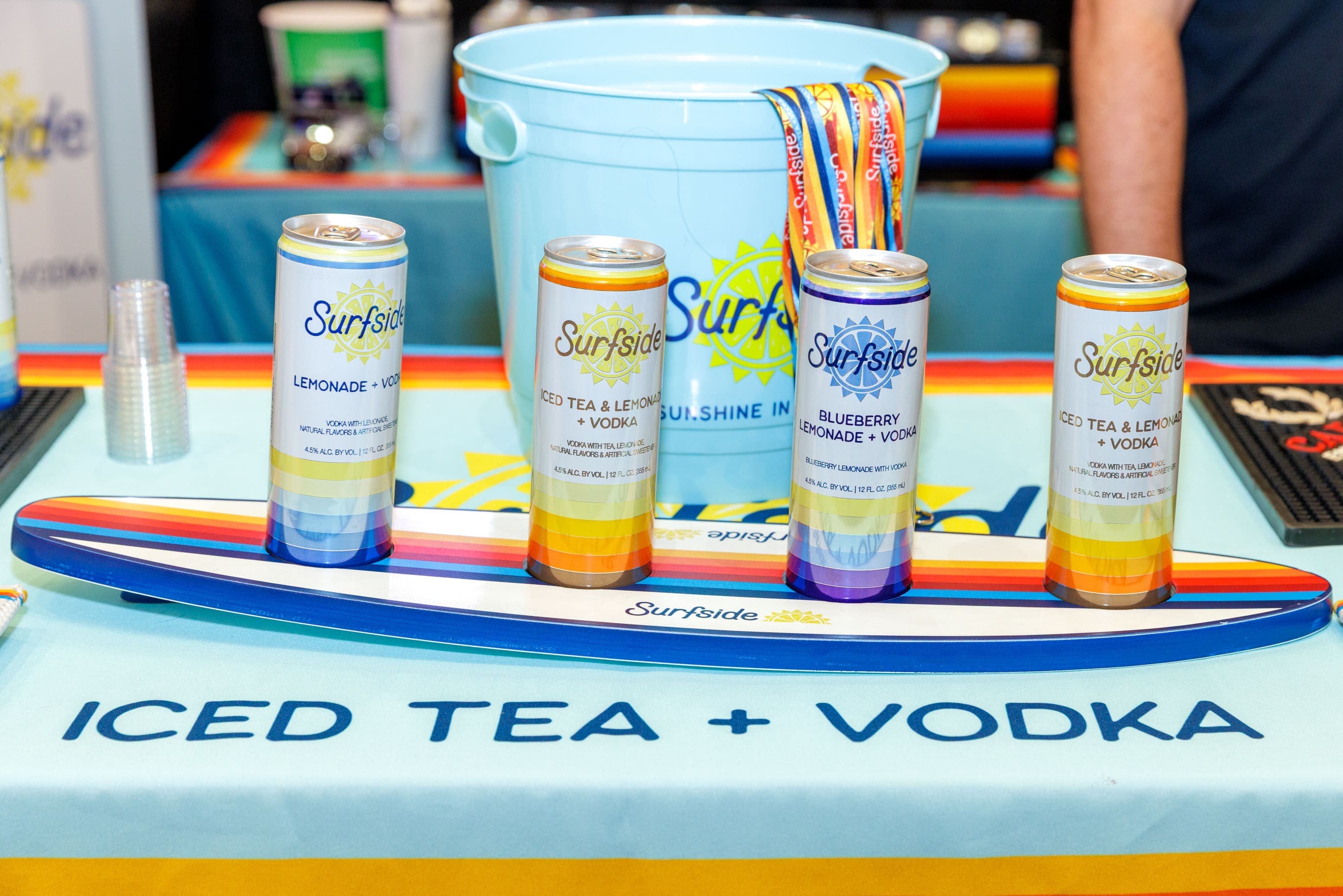
The hard seltzer boom that dominated convenience stores and bars over the past five years may be facing its most serious challenger yet: non-carbonated alcoholic drinks. According to CNBC Business, brands like Surfside and BeatBox are gaining traction among younger consumers, particularly Generation Z, who appear to be diversifying their beverage preferences beyond the fizzy options that once seemed unstoppable.
This market shift has meaningful implications for Dallas-area retailers, distributors, and beverage companies. As consumer preferences evolve, businesses in the region's competitive beverage and hospitality sectors will need to reassess inventory, shelf space allocation, and product sourcing to capitalize on emerging trends. Local convenience store operators and bar owners should monitor whether this trend takes hold in North Texas communities.
The appeal of non-carbonated options suggests consumers may be seeking smoother drinking experiences, different flavor profiles, or perceived health benefits compared to carbonated alternatives. Market analysts attribute part of this shift to Gen Z's broader tendency to challenge established consumer norms and seek novel products. Understanding these demographic preferences is critical for Texas-based distributors and retailers looking to stay competitive.
For Dallas business owners in the beverage, retail, and hospitality sectors, recognizing this emerging preference early could provide a competitive advantage. Companies that adjust their product portfolios and marketing strategies to reflect changing consumer tastes may capture market share before larger competitors fully pivot, making this trend worth monitoring closely over the next 12 to 18 months.