Photo via Inc.
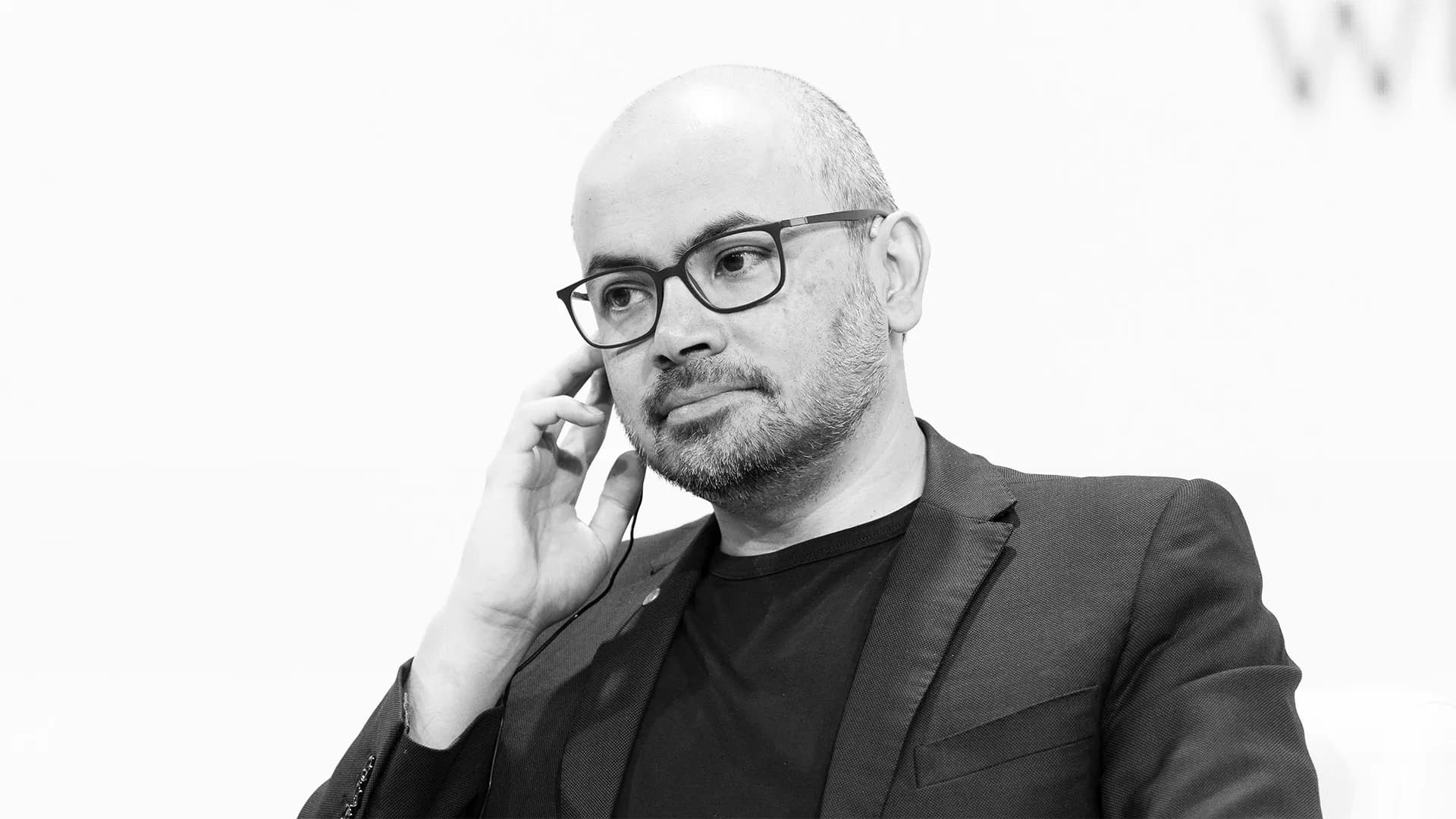
DeepMind CEO Demis Hassabis, a Nobel Prize winner in physics, has pushed back against the wave of corporate layoffs justified by artificial intelligence adoption, characterizing such moves as evidence of limited strategic thinking. According to Inc., Hassabis contends that organizations making immediate workforce reductions due to AI capabilities are failing to imagine how technology can augment and expand their operations rather than simply replace workers.
The criticism reflects a broader tension in how Dallas-area companies and enterprises nationwide approach AI implementation. Rather than viewing automation as a binary choice between human workers and machines, forward-thinking organizations are exploring how AI tools can enhance productivity, create new roles, and open previously unfeasible business opportunities. This distinction matters particularly for Dallas's diverse industrial base, from financial services to manufacturing and healthcare.
Scientific research increasingly supports Hassabis's position. Studies suggest that companies investing in worker retraining and AI-augmented workflows tend to see stronger long-term performance and employee retention compared to those pursuing wholesale reductions. The evidence indicates that AI's real value emerges when organizations thoughtfully integrate the technology alongside their existing talent rather than treating it as a justification for downsizing.
For Dallas business leaders evaluating AI adoption, the message is clear: technology investments should prompt strategic workforce development conversations, not reflexive cuts. Companies that take time to understand how AI can complement their teams—whether through automating routine tasks, enabling workers to focus on higher-value work, or creating entirely new service lines—position themselves to capture competitive advantages while maintaining institutional knowledge and employee trust.