Photo via Inc.
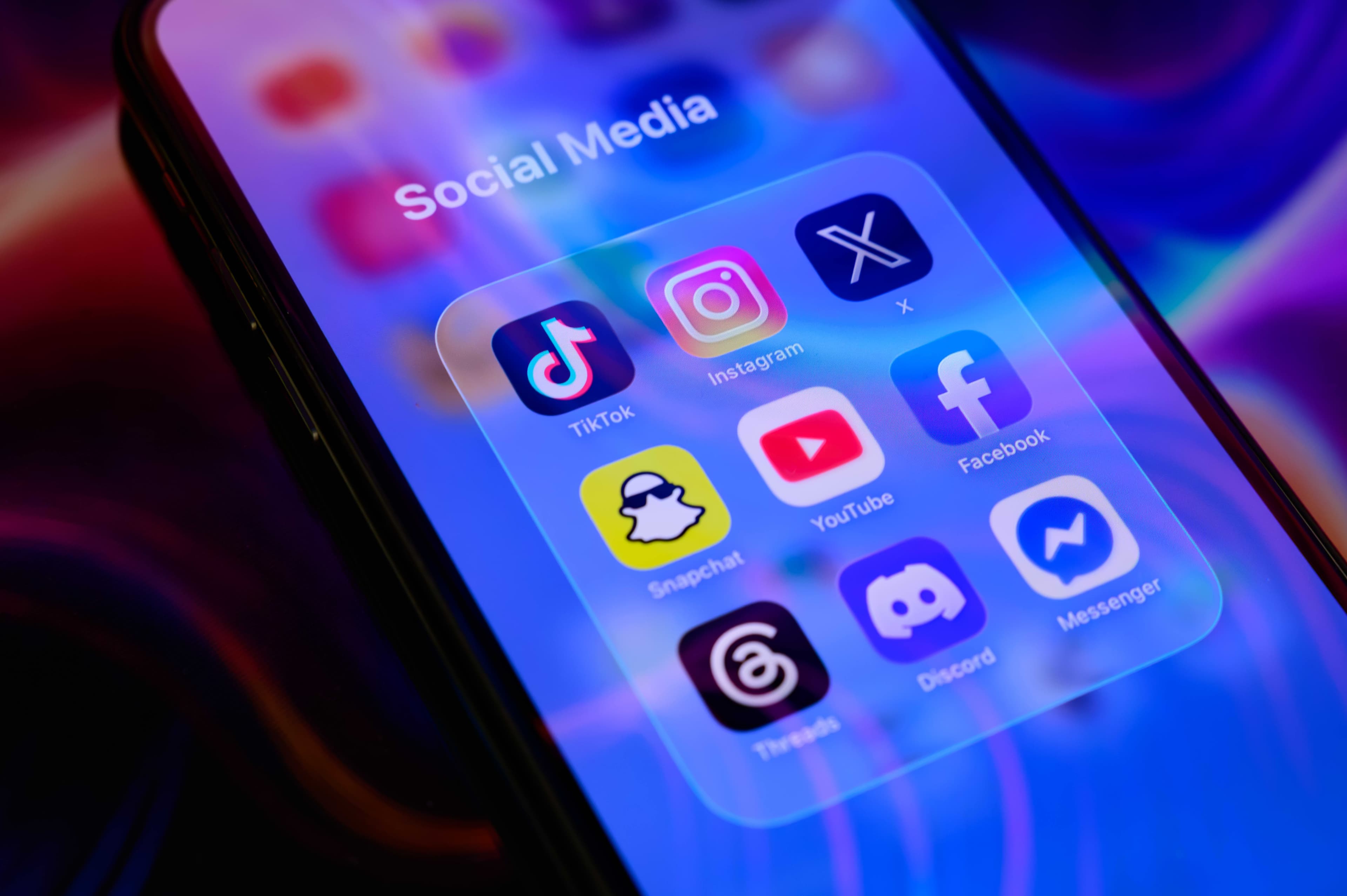
The speed at which technology evolves has created a widening gap between innovation cycles and traditional news reporting. According to Inc., media entrepreneur Laurie Segall is addressing this challenge through a new model that treats journalistic content as portable intellectual property—allowing stories and formats to be repackaged and distributed across multiple platforms simultaneously.
Segall's recent deepfake collaboration with Paris Hilton exemplifies this approach, demonstrating how journalists can create adaptable content that explores emerging technologies while maintaining editorial credibility. By treating each story as a modular asset rather than a single-platform publication, creators can respond more quickly to industry shifts and audience preferences.
For Dallas-area media companies and digital publishers, this model offers lessons in agility. As North Texas continues to build its tech sector and innovation ecosystem, local newsrooms must balance in-depth reporting with the flexibility to repurpose and experiment with content formats—from traditional articles to video, podcasts, and interactive media.
The challenge for traditional and emerging media outlets is determining how to scale this approach without compromising journalistic standards. As technology continues to advance faster than many can report on it, newsrooms that develop systems for rapid iteration and multi-format distribution may find themselves better positioned to serve audiences seeking timely, relevant business and industry coverage.