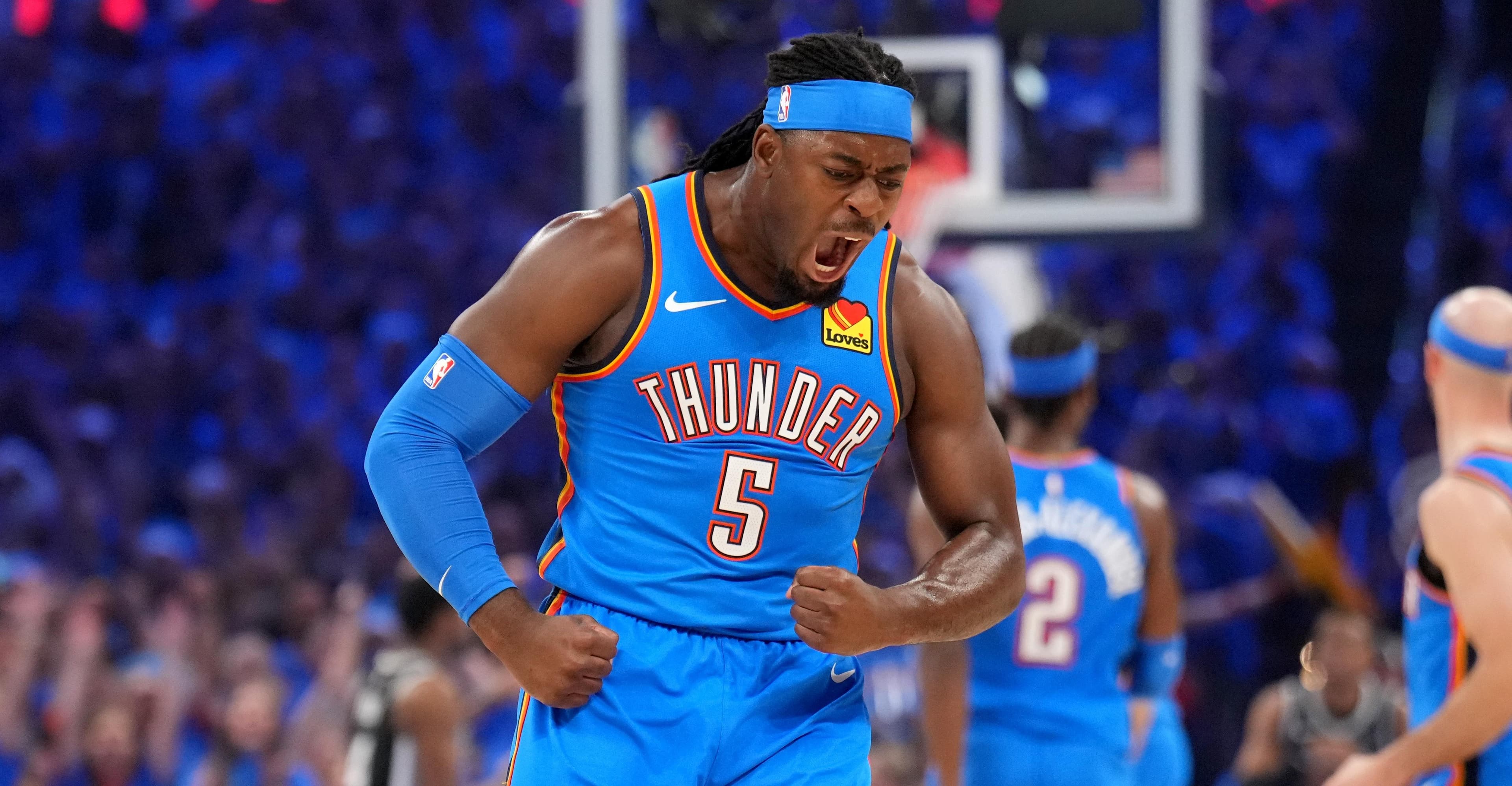
Photo via Sbnation
The Oklahoma City Thunder have made a significant roster move by trading veteran defender Lu Dort to the Atlanta Hawks as part of a three-team transaction, according to SB Nation. The deal, which also involves the Dallas Mavericks and includes former top draft pick Zaccharie Risacher, represents Oklahoma City's effort to manage payroll obligations and avoid exceeding the NBA's second apron threshold—a financial penalty that limits spending flexibility.
For Dallas-area business observers, this transaction highlights how salary cap constraints shape competitive dynamics in professional sports. The Mavericks' involvement in the deal underscores the regional importance of NBA transactions to the local economy, where the franchise's business decisions ripple through sponsorships, media rights, and arena operations. Managing payroll while maintaining championship-caliber talent has become a central business challenge for contending franchises.
These types of mid-season adjustments reveal the complex financial engineering required to build sustainable championship rosters. As teams balance competitive ambitions against financial restrictions, front office decisions increasingly resemble corporate restructuring—prioritizing long-term financial health alongside immediate performance. The interconnected nature of multi-team trades demonstrates how League-wide salary dynamics influence the competitive balance that ultimately drives fan engagement and franchise valuations.