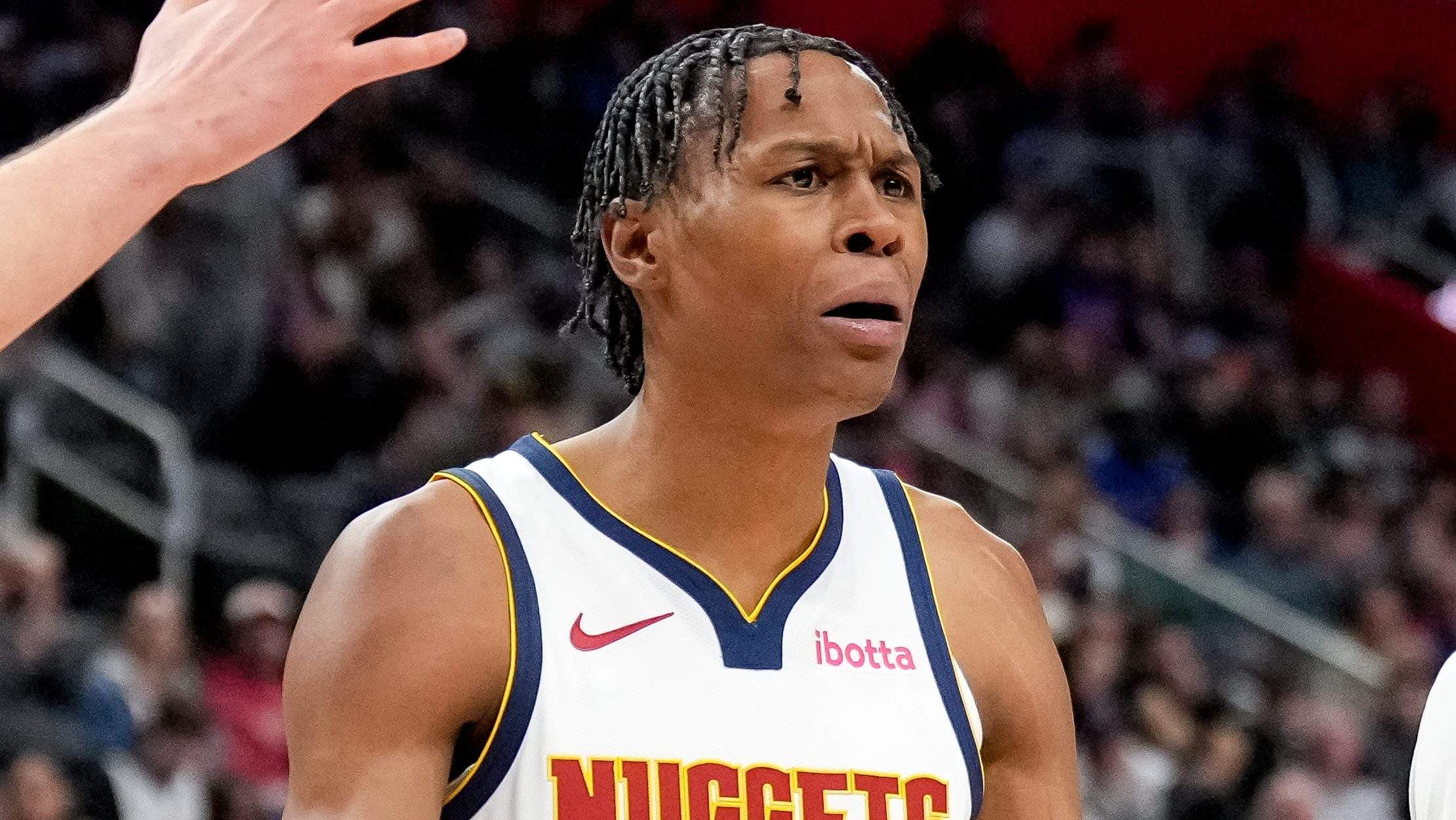
Photo via News Pub
The Los Angeles Lakers continue to explore roster enhancement strategies as the new season approaches, according to reporting from News Pub. Front office activity in major sports leagues often signals broader trends in player valuation, contract structures, and competitive spending patterns that ripple across the entertainment and sports management industries. For Dallas-area sports business professionals and investors, monitoring these moves provides insight into how major franchises allocate resources and manage talent acquisition.
Trade speculation involving players like Peyton Watson of the Denver Nuggets underscores the complexity of modern roster construction in professional sports. These nine-player trade scenarios involve intricate negotiations around salary caps, asset management, and long-term competitive positioning. The strategic thinking behind such moves mirrors corporate merger and acquisition logic—evaluating immediate gains against future flexibility and organizational health.
For Dallas stakeholders in sports management, ticketing operations, and arena entertainment, understanding NBA franchise strategy matters. The Mavericks' own roster decisions and competitive positioning in the Western Conference create local business implications for sponsorships, broadcast rights, and fan engagement initiatives. As franchises nationwide make aggressive moves, Dallas-based sports businesses benefit from analyzing how elite teams approach talent development and capital deployment.