Photo via Pantagraph
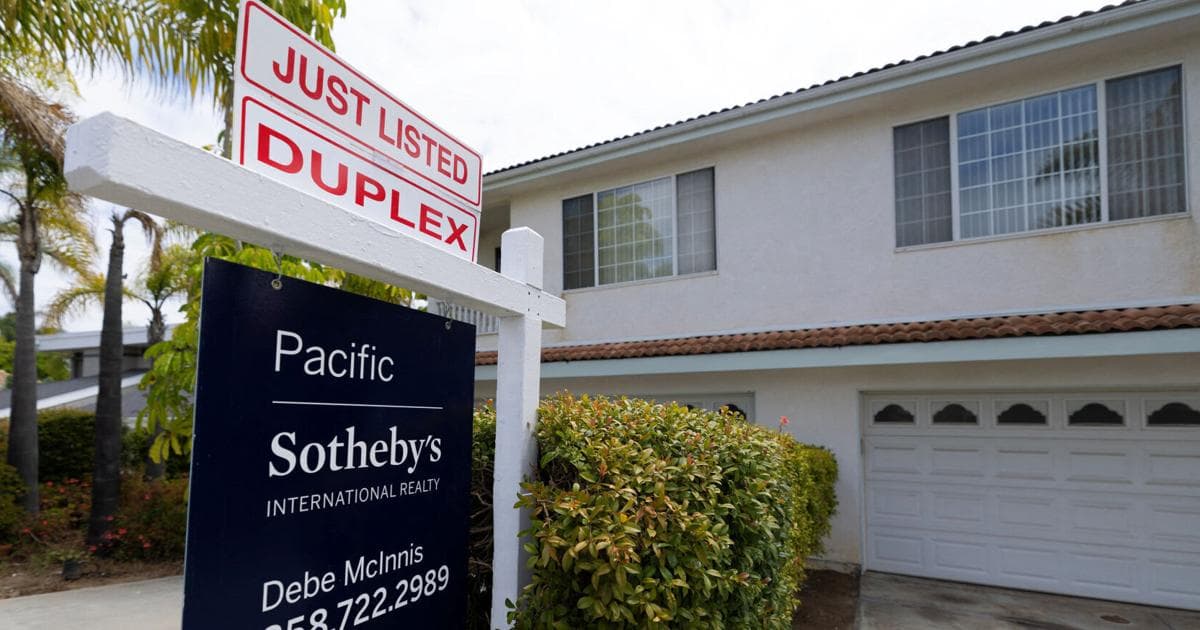
The days of historically low mortgage rates that fueled explosive growth in Dallas-area housing demand appear to be behind us. According to the Pantagraph, bond market turbulence tied to international conflicts is pushing borrowing costs higher, reshaping affordability for North Texas homebuyers who have grown accustomed to rates in the 2-3% range.
For the Dallas housing market, the implications are significant. The region experienced unprecedented growth over the past decade as buyers capitalized on cheap financing to enter the market or upgrade. Higher rates compress purchasing power—a buyer who could afford a $400,000 home at 3% may qualify for only $330,000 at 6.5%—creating potential headwinds for the local real estate sector and related industries.
The rate environment reflects broader economic pressures stemming from geopolitical instability, which has roiled bond markets and altered investor expectations around inflation and growth. These macro forces operate beyond the control of local market participants, yet Dallas developers, lenders, and agents must adapt their strategies accordingly.
As the housing market adjusts to this new reality, stakeholders across North Texas—from home builders to mortgage lenders to real estate investment firms—will need to recalibrate their operations. The question facing Dallas business leaders is how quickly the market stabilizes and whether sustained higher rates become the new normal.