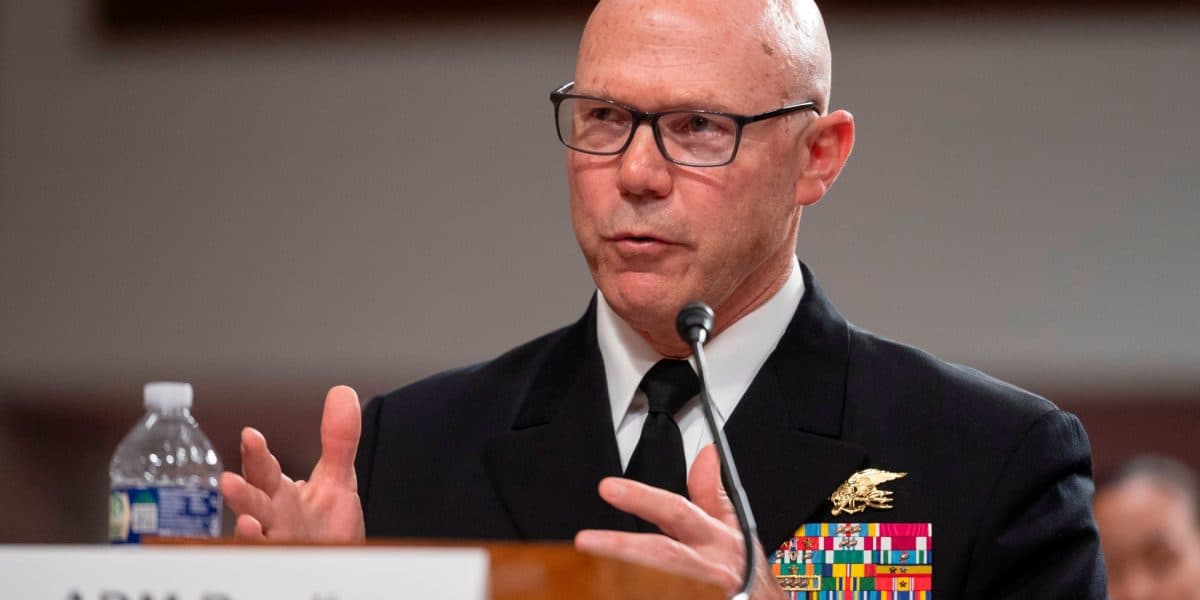
Photo via Fortune
The rapid integration of artificial intelligence into military operations is raising important questions about accountability and precision targeting. According to reporting from Fortune, a special operations commander has underscored a critical principle: while AI systems may excel at identifying and analyzing potential targets, humans must retain ultimate decision-making authority to ensure these systems operate within intended parameters.
The statement reflects growing concerns among military leadership about autonomous weapons systems and their real-world implications. The commander's emphasis on human oversight aligns with a broader conversation in defense circles about responsible AI deployment. As Defense Secretary Pete Hegseth pushes to accelerate the military's technological evolution through AI, commanders are working to establish guardrails that balance innovation with ethical responsibility.
For Dallas-area defense contractors and technology firms working with the Pentagon, these guidelines signal an important market direction. Companies developing military AI applications must prioritize human-in-the-loop systems that maintain clear chains of command and accountability. This approach could create opportunities for firms specializing in human-machine interfaces, decision support systems, and verification technologies.
The debate surrounding military AI reflects broader questions about automation and human judgment that extend beyond defense. As organizations across industries explore AI capabilities, the military's cautious approach to autonomous decision-making offers a case study in responsible implementation. Dallas business leaders watching AI adoption trends should note that stakeholder confidence—whether from regulators, the public, or leadership—often depends on maintaining human oversight of critical decisions.