Photo via Fast Company
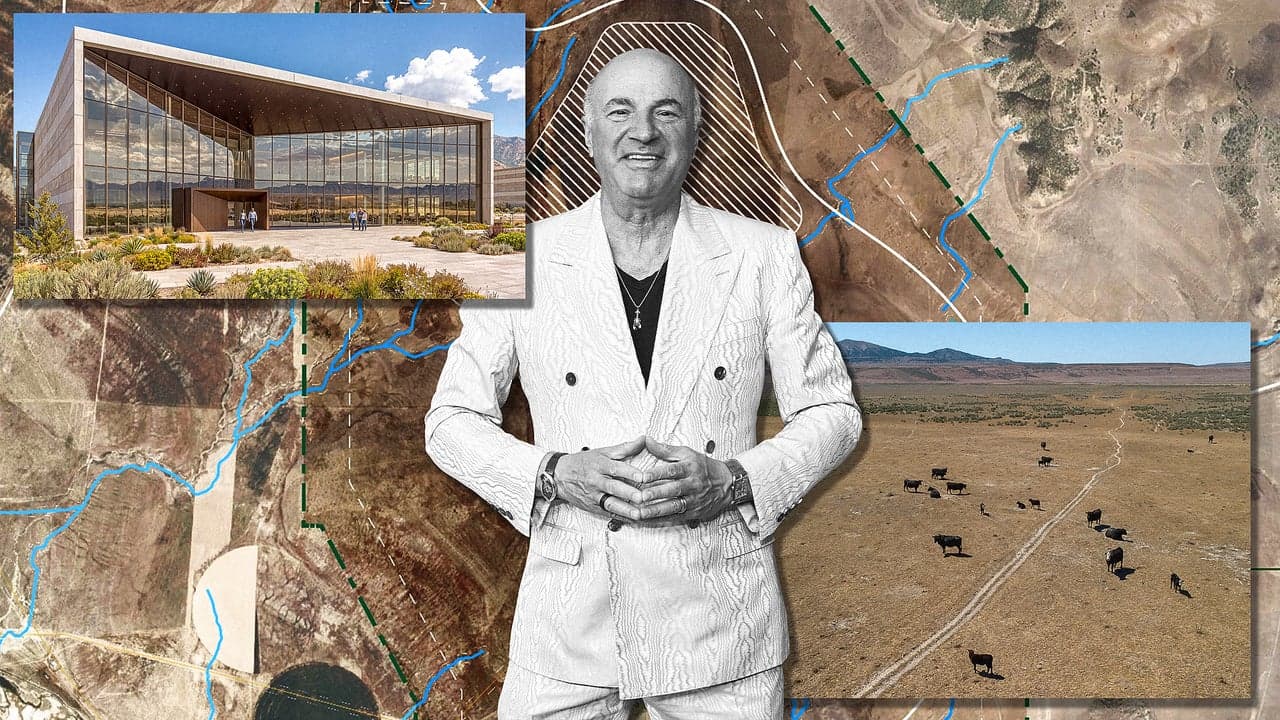
A proposed 7.5-gigawatt data center in Utah is reshaping how industry leaders think about artificial intelligence infrastructure. According to Fast Company, the Stratos project would cover 10,000 acres north of the Great Salt Lake and could become the world's largest data center, developed by Shark Tank personality Kevin O'Leary. The scale reflects a critical shift: as hyperscalers like OpenAI, Amazon, Google, Meta, and Microsoft race to build AI capabilities, the economics increasingly demand massive, centralized facilities.
For Dallas-area business leaders and real estate developers, the Stratos project offers crucial lessons about infrastructure investment and regulatory challenges. O'Leary argues that hyperscale is now mandatory for economic competitiveness in the AI era. Texas has already attracted significant data center investment, and projects like Stratos underscore the regional competition for these high-value facilities. Understanding how developers navigate permitting, energy demands, and community concerns will be essential for Texas companies seeking to attract or build similar infrastructure.
The Utah project has sparked intense local opposition over water usage, energy consumption, and land impact—concerns that Texas regulators and communities will likely face as data center proposals grow larger. O'Leary's team emphasizes the facility would generate its own power and use closed-loop cooling systems, not tap regional water supplies. These design commitments reflect an emerging standard that could influence how Texas communities evaluate future data center proposals and what environmental safeguards they require.
The Stratos development also signals a shift in data center aesthetics and community integration. Designed by global architecture firm Gensler, the project features glass facades and modern office spaces rather than the industrial warehouse appearance typical of older facilities. O'Leary plans to include a 3,000-acre solar field and mixed-use innovation district with up to 2,000 jobs. As Dallas-area developers consider their own next-generation facilities, this approach to making massive infrastructure visually and economically compatible with surrounding communities could become a competitive advantage.