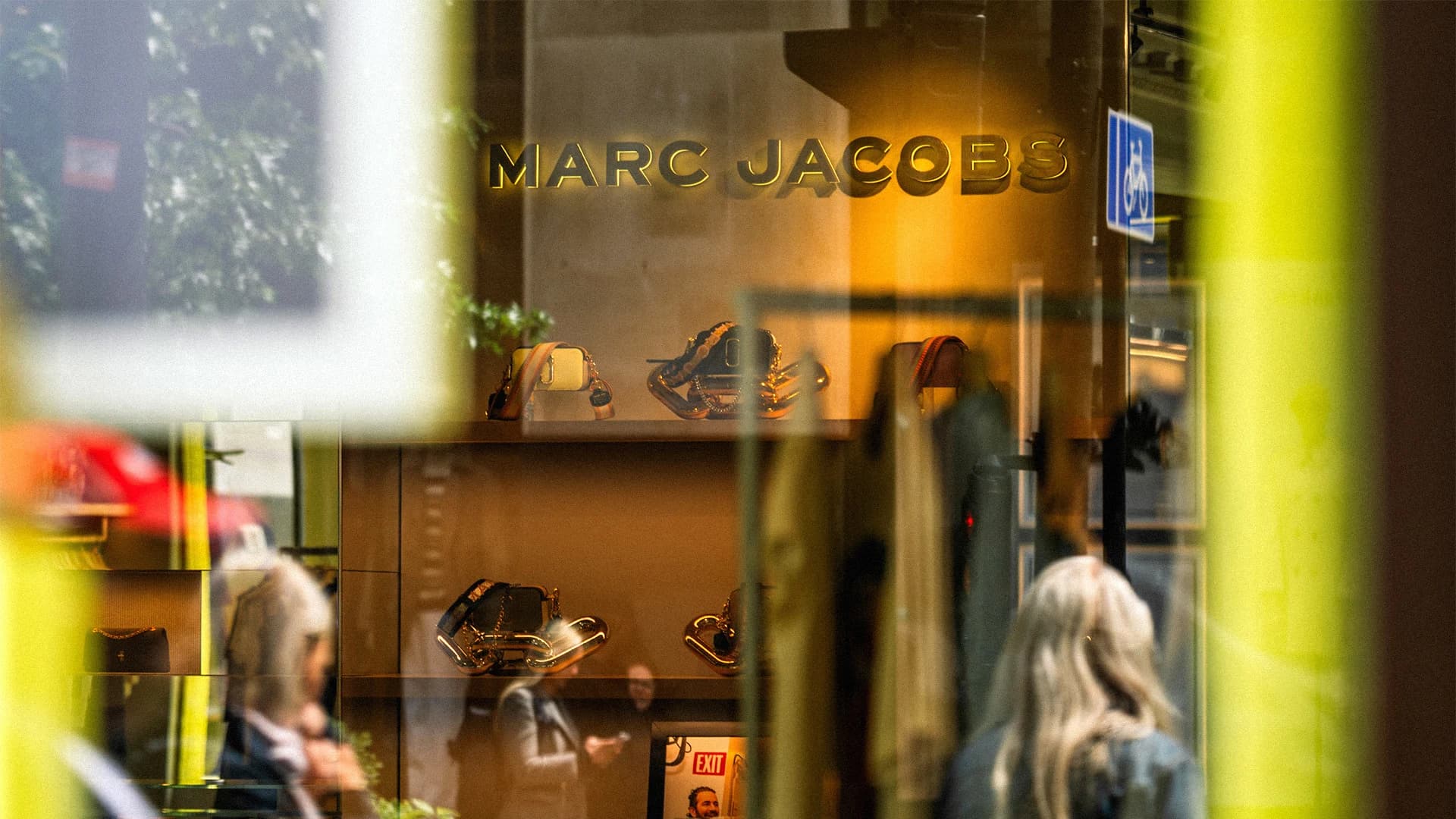
Photo via Inc.
In a significant reshuffling of the luxury fashion landscape, LVMH has divested the Marc Jacobs brand after nearly three decades of ownership. According to Inc., the French conglomerate is selling the iconic American fashion house to a partnership between WHP Global and G-III Apparel in an $850 million transaction. The deal underscores ongoing consolidation in the retail sector as major players reassess their portfolio holdings.
WHP Global, known for acquiring brands like Nautica and Reebok, brings acquisition and brand management expertise to the partnership, while G-III Apparel—a major player in licensed apparel production and distribution—adds manufacturing and distribution capabilities. Together, the two companies aim to revitalize Marc Jacobs' market position and expand its reach. For Dallas-area retail investors and professionals, the deal illustrates how fashion brands are increasingly turning to specialized retail operators rather than mega-conglomerates to drive growth.
The sale reflects broader trends in luxury retail, where conglomerates are reassessing which brands fit their strategic direction. LVMH's decision to exit Marc Jacobs after nearly three decades suggests the brand may perform better under focused, specialized ownership. This mirrors similar portfolio adjustments across the industry as companies prioritize agility and targeted brand development over holding diverse luxury assets.
The transaction highlights opportunities for regional retail and apparel professionals to monitor sector consolidation patterns. As ownership structures evolve, supply chain relationships, manufacturing partnerships, and distribution networks often shift—creating both challenges and opportunities for Dallas-based businesses in logistics, retail operations, and apparel manufacturing that service the fashion industry.