Photo via News Pub
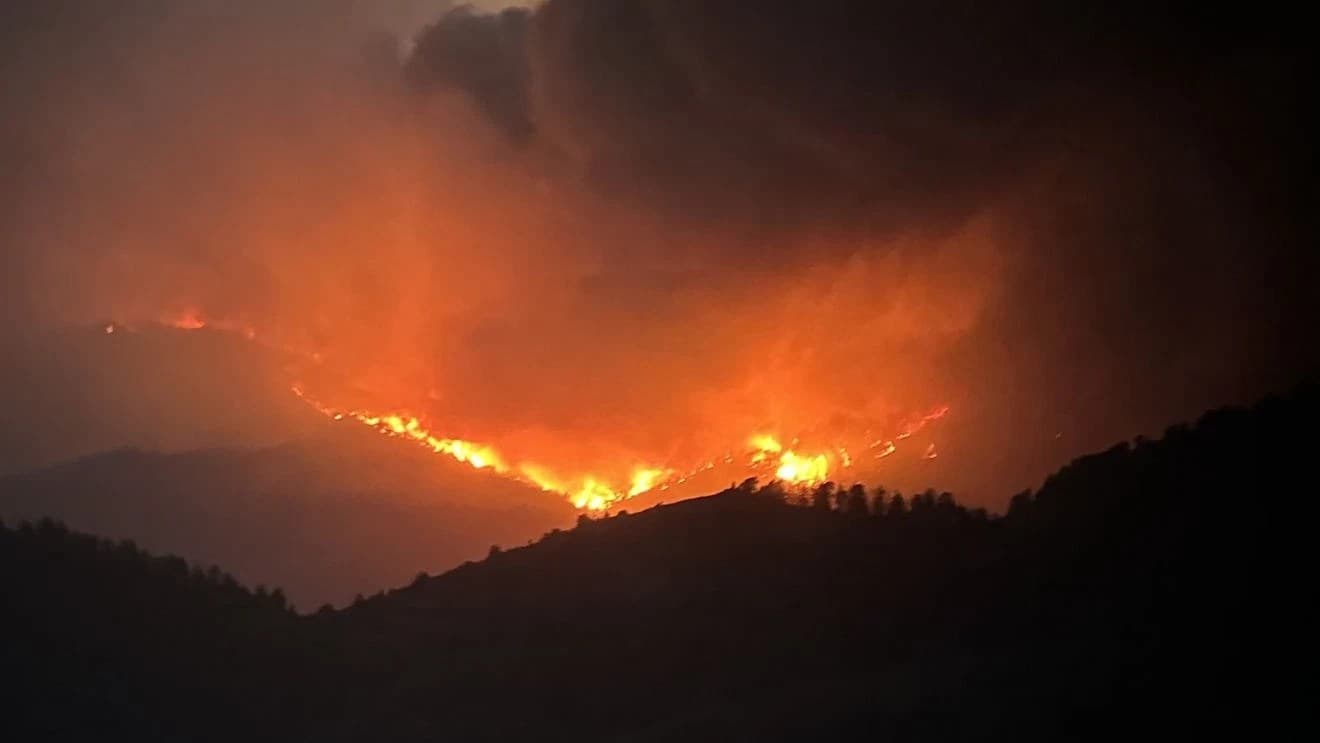
The Babylon Fire in southeastern Utah has grown to encompass more than 87,500 acres across San Juan County, according to U.S. Forest Service updates, making it the second-largest active wildfire in the nation. The uncontained blaze has destroyed five structures and continues to threaten the region's infrastructure and natural resources. For Dallas-area businesses with operations or supply chains extending into the Mountain West, such large-scale natural disasters underscore the importance of disaster preparedness and supply chain resilience planning.
Major wildfires in the Southwest can disrupt energy production, transportation corridors, and logistics networks that support national commerce. Texas companies dependent on regional infrastructure, particularly those in energy, mining, and logistics sectors, may face delays or rerouting challenges. The influx of firefighting resources to southeastern Utah also highlights how emergency response efforts can strain regional capacity and affect operational timelines across multiple industries.
As climate-related disasters become more frequent and severe, Dallas business leaders should evaluate their exposure to western supply chain disruptions and consider diversification strategies. Companies with operations in affected areas or those relying on transportation routes through the Southwest may benefit from updated contingency plans and stronger relationships with alternative suppliers. The Babylon Fire serves as a timely reminder of the broader business implications of resource management challenges in the region.