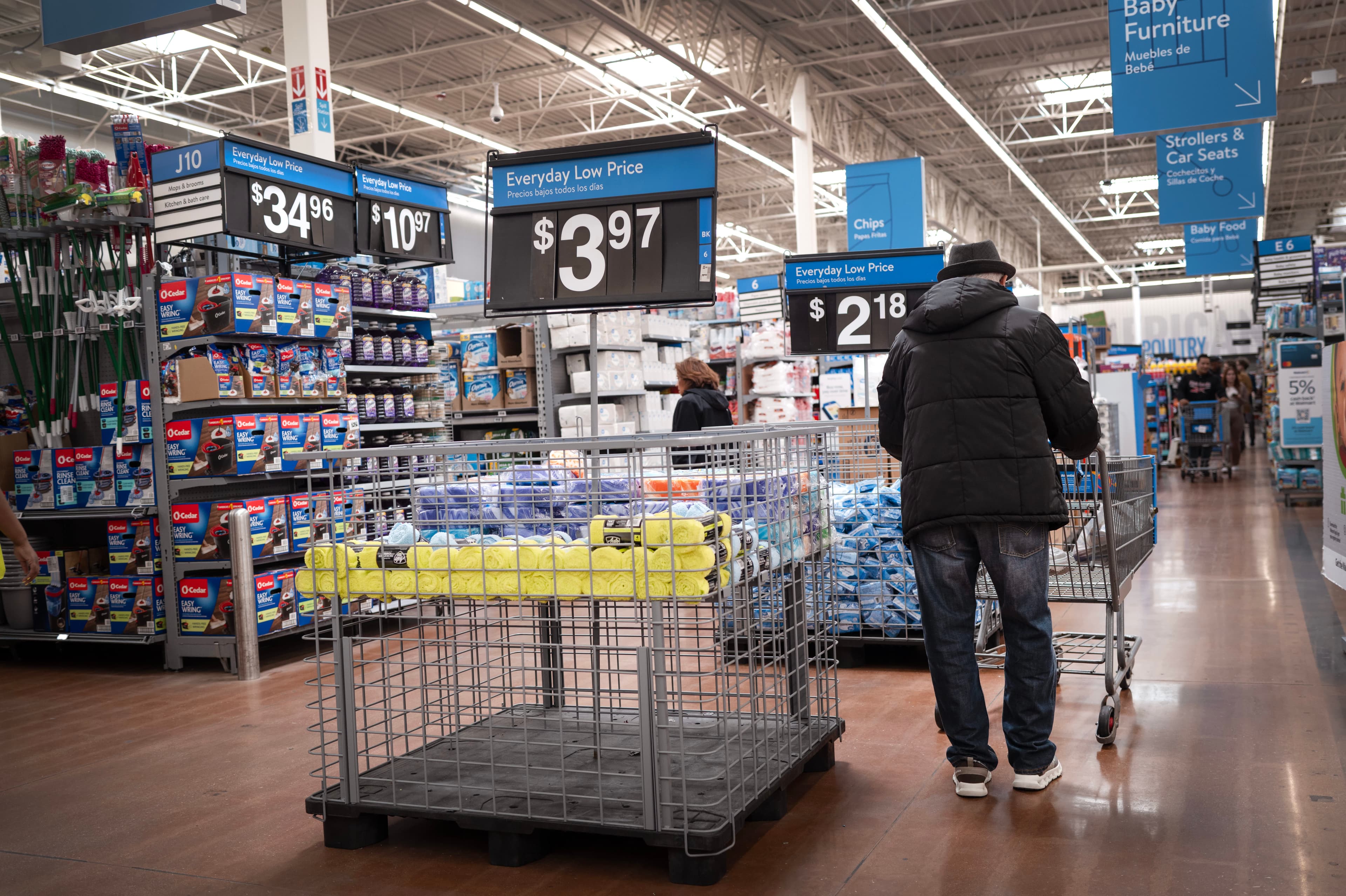
Photo via CNBC Business
Despite President Trump's public warning that he would 'remember' companies failing to apply for tariff refunds, major retailers are moving forward with applications anyway, according to CNBC. The statement appears to have had limited deterrent effect on large corporations evaluating their financial interests and shareholder obligations.
Walmart has become one of the prominent names confirming its pursuit of tariff relief, joining other major retailers in seeking reimbursement for duties paid on imported goods. The retail giant's approach reflects a calculated business strategy rather than political positioning, as companies weigh the financial benefits of reclaiming tariff payments.
Dallas-area retailers and businesses dependent on imported goods face similar decisions about whether to pursue available refunds. For North Texas companies in retail, logistics, and distribution, tariff relief could provide meaningful capital to reinvest in operations, pricing, or expansion—considerations that may outweigh political concerns.
Walmart stated it intends to direct any recovered funds toward lower consumer prices, positioning the refund as benefiting shoppers rather than merely improving margins. This messaging strategy illustrates how corporations are framing tariff relief applications in terms of broader economic benefit, potentially helping other businesses justify similar decisions to stakeholders and the public.