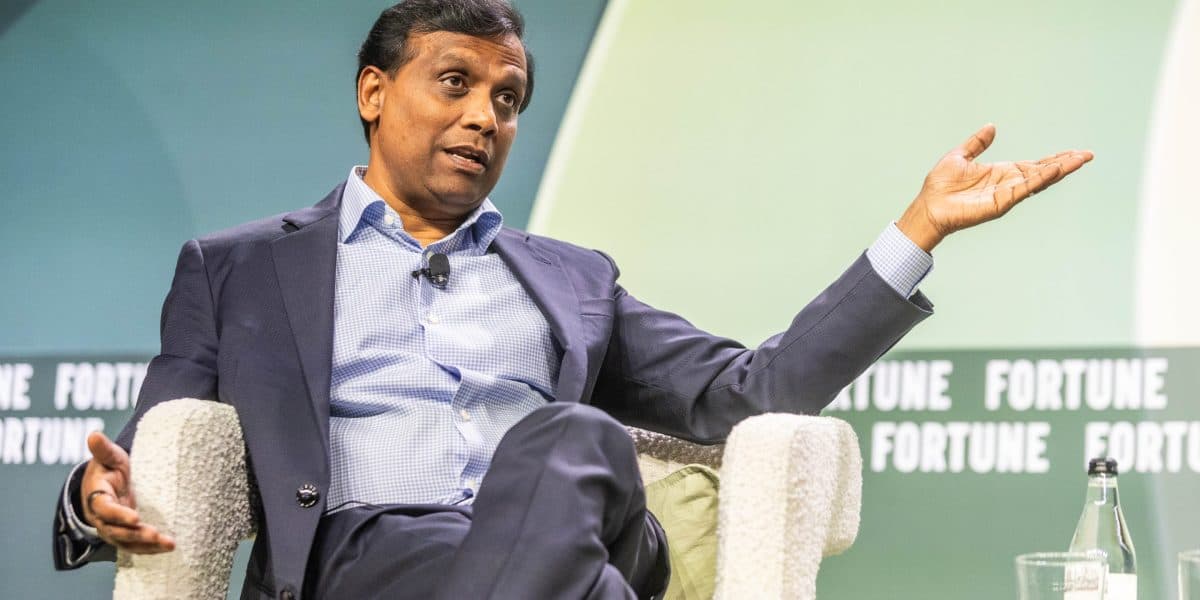
Photo via Fortune
While many technology leaders worry that artificial intelligence will displace workers, Ravi Kumar S., CEO of global IT services firm Cognizant, is taking a contrarian stance. According to Fortune, Kumar is committing to hire more than 20,000 graduates this year, signaling confidence that entry-level positions will remain critical to the industry's future. The $27 billion company's aggressive recruitment strategy stands in stark contrast to the broader tech sector's recent wave of layoffs and automation fears.
Kumar's perspective challenges a prevailing narrative in Silicon Valley and beyond. Rather than viewing AI as a job-killer, he argues that companies are misinterpreting the technology's actual impact on the workforce. His stance suggests that organizations should focus on reskilling and developing talent rather than simply replacing human workers with automated systems. For Dallas-area tech firms and their talent development strategies, this viewpoint offers an alternative to the pessimistic forecasts that have dominated recent discussions.
The Cognizant CEO is also critical of what he calls 'token maximization'—the industry tendency to obsess over raw metrics related to AI model performance. Kumar contends this approach amounts to a 'vanity metric' that doesn't reflect genuine business value or practical application. According to the Fortune report, this critique suggests that companies chasing headline-grabbing AI benchmarks may be losing sight of meaningful innovation that actually benefits operations and bottom lines.
Cognizant's hiring commitment and Kumar's commentary arrive at a pivotal moment for the technology sector. As Dallas emerges as a growing hub for tech talent and innovation, local companies may find his arguments about sustainable workforce development and realistic AI measurement particularly relevant. The question facing employers across North Texas is whether they will follow the Cognizant model of investing in emerging talent or whether the AI-driven automation anxiety will continue to dominate hiring decisions.