Photo via Houston Public Media
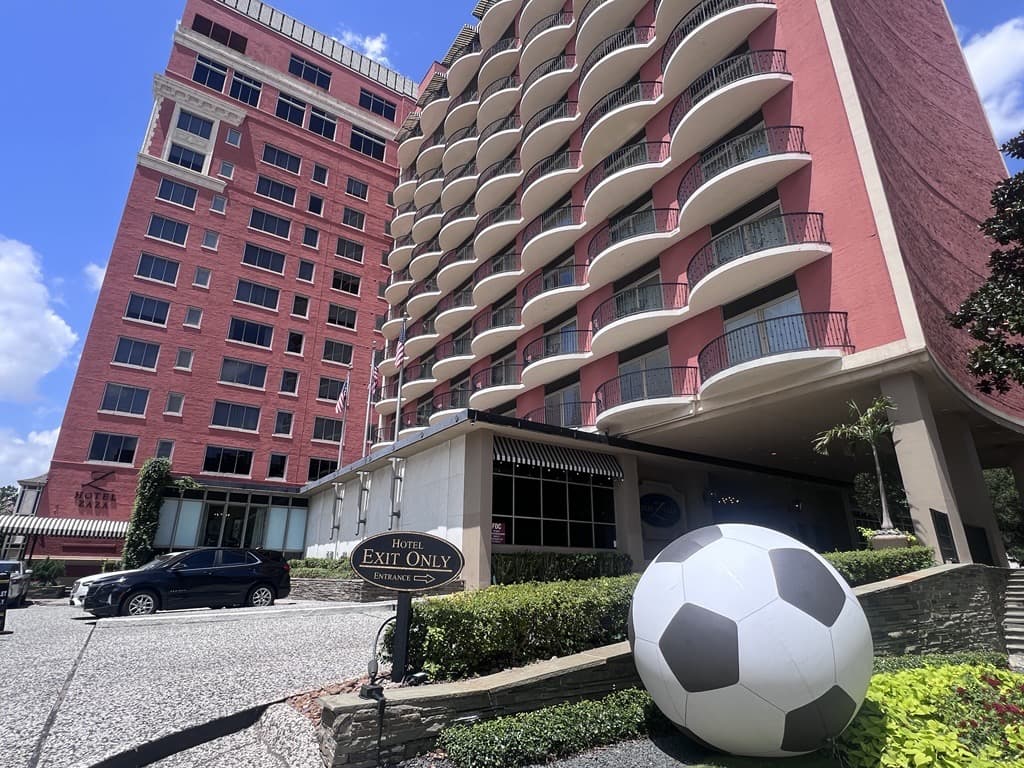
Houston's experience hosting World Cup matches this summer provides a cautionary tale for other major U.S. cities planning large-scale sporting events. According to Houston Public Media, preliminary data from six of the city's seven World Cup venues showed hotel demand actually declined year-over-year despite the anticipated influx of international visitors. The findings challenge the conventional wisdom that mega-events automatically translate into higher occupancy rates for regional hospitality sectors.
While overall room occupancy disappointed organizers, the data revealed a more nuanced picture for Houston's hotel industry. Visitors who did book accommodations proved willing to pay premium rates compared to the previous year, suggesting that event-driven travel can command price increases even when total volume expectations aren't met. This pricing power may be the closest many properties came to the promised economic windfall, though it fell short of the broader economic stimulus projections.
For Dallas-area hospitality leaders and real estate investors monitoring major events like upcoming conventions and sporting opportunities, Houston's results underscore the importance of managing expectations. Industry stakeholders should carefully analyze booking patterns and pricing strategies rather than assuming event prestige automatically translates to record-breaking performance. Understanding visitor behavior and market dynamics proves more valuable than relying on promotional promises alone.