Photo via Headtopics
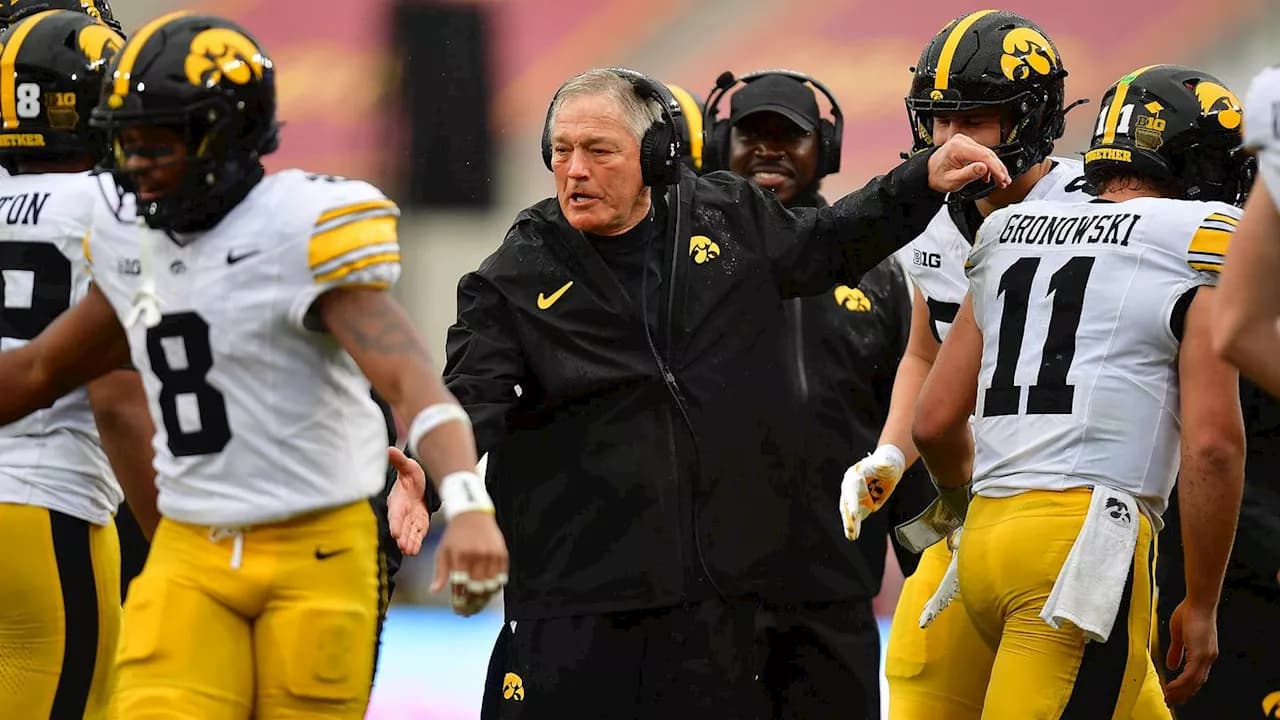
According to Headtopics, Kirk Ferentz is entering the 2026 college football season as one of the nation's most effective head coaches, despite approaching his 71st birthday. His continued success at the University of Iowa challenges conventional wisdom about leadership tenure and peak performance in competitive environments. For Dallas business leaders, Ferentz's trajectory offers a relevant case study in how experience, consistency, and adaptability can compound over decades.
Ferentz's longevity reflects a broader principle applicable to corporate leadership: sustained excellence requires both institutional knowledge and the flexibility to evolve with changing circumstances. His ability to remain competitive at an elite level after decades in a demanding position suggests that age alone doesn't determine effectiveness. Many Dallas-based organizations face similar challenges around succession planning and the retention of seasoned executives whose experience proves invaluable.
The coaching profession, like many high-stakes industries, demands continuous adaptation to new technologies, strategies, and competitive pressures. Ferentz's sustained performance indicates he has successfully navigated these transitions. This mirrors challenges faced by senior leaders in Dallas's diverse business sectors—from energy to technology—who must balance institutional wisdom with innovation.
For Dallas business readers evaluating leadership pipelines and retention strategies, Ferentz's example suggests that chronological age shouldn't be the primary metric for assessing executive effectiveness. Organizations that create environments allowing experienced leaders to contribute meaningfully while remaining mentally engaged may gain competitive advantages in retaining institutional knowledge and maintaining operational continuity.