Photo via Awful Announcing
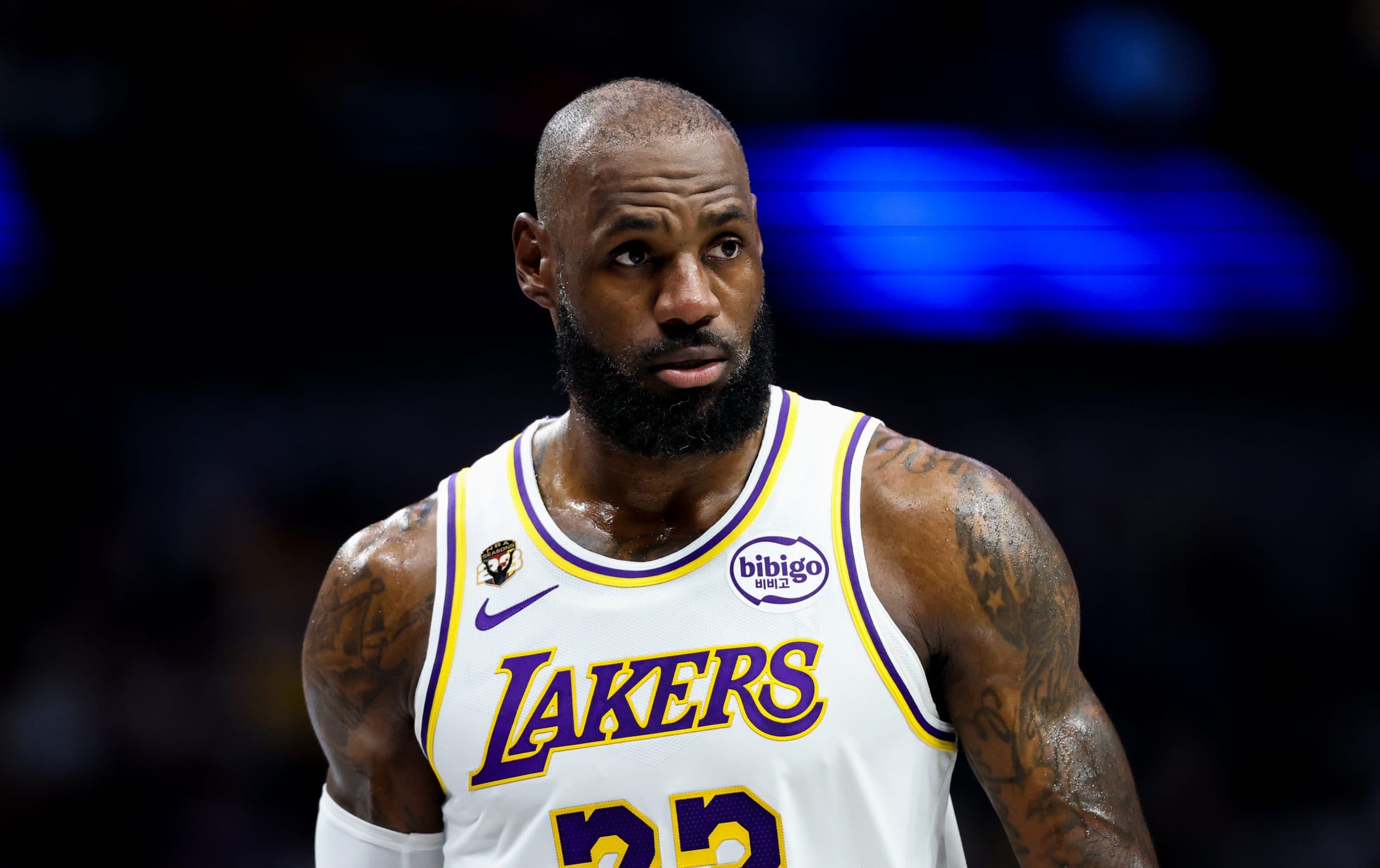
LeBron James' career moves continue to capture attention not just for their athletic implications but for their broader business strategy. According to Awful Announcing, James' longtime business manager Maverick Carter recently clarified misconceptions about the athlete's upcoming documentary plans, emphasizing that James is focused on selective, strategic projects rather than pursuing every opportunity that comes his way. This disciplined approach to brand extension mirrors the strategic decision-making Dallas business leaders employ when scaling their enterprises.
Carter's management of James' portfolio demonstrates how successful personal brands require curated visibility and partnership selection. Rather than capitalizing on every trend—such as mimicking Netflix's popular documentary format—the James camp prioritizes projects that align with long-term brand positioning. For Dallas executives building companies or personal brands, this selective approach offers a template: not every opportunity that worked for a competitor translates to sustainable growth in your own market.
The broader lesson here extends to how Dallas-based entrepreneurs should think about their own professional narratives. James' transition to a new team late in his career, combined with careful management of his off-court ventures, illustrates that sustainable success requires balancing immediate opportunities with strategic brand development. Local business leaders can apply this principle when deciding which board positions, speaking engagements, or media projects align with their long-term vision.