Photo via Inc.
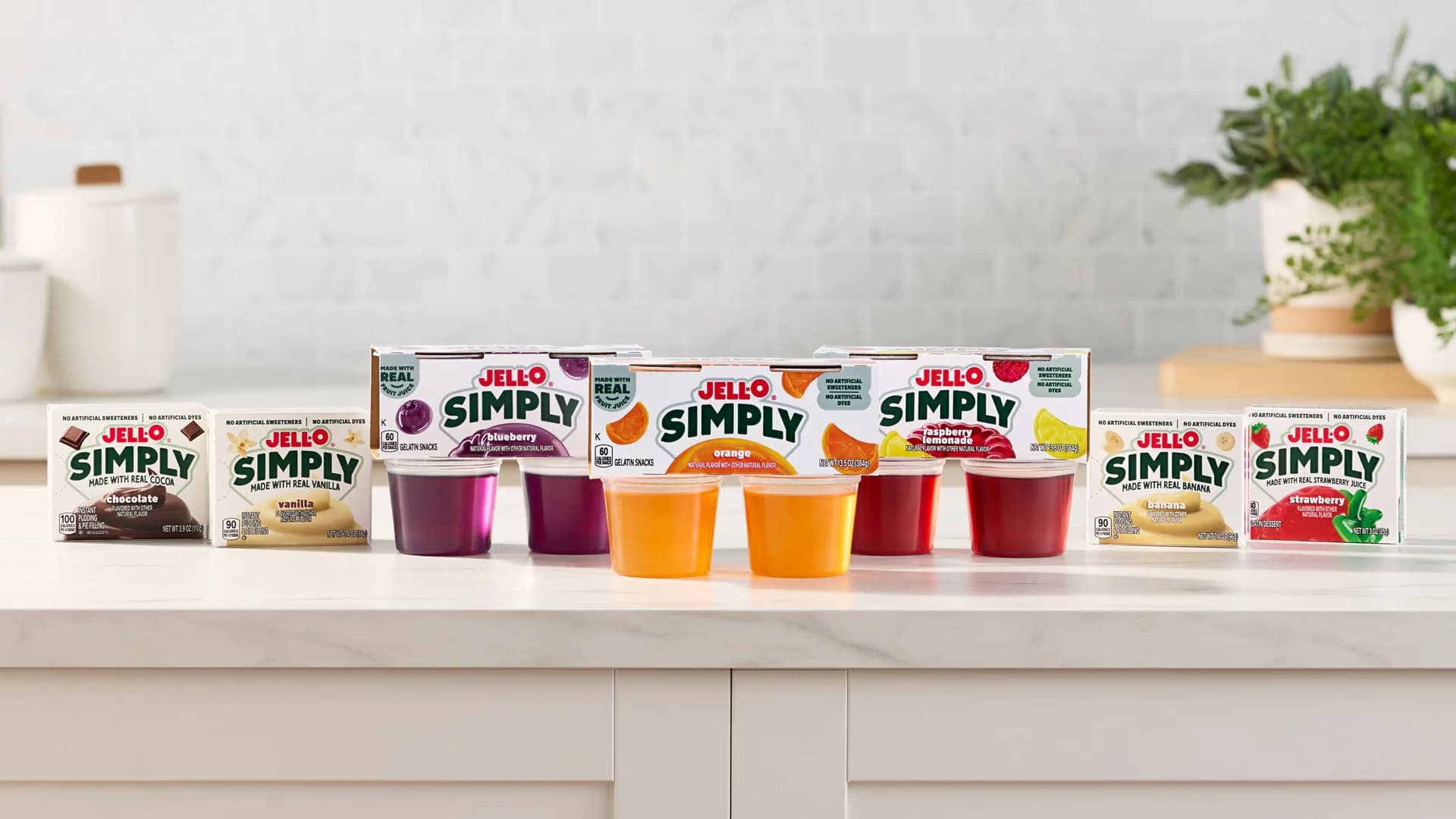
Kraft Heinz has announced a significant reformulation of its iconic Jell-O brand, removing artificial dyes from the gelatin dessert's recipe. The move represents a notable shift for one of America's most recognizable food brands, signaling how legacy companies are responding to evolving consumer preferences around ingredient transparency and health-conscious choices.
The decision aligns with a broader industry trend toward removing artificial additives from packaged foods. Consumer research has increasingly shown that buyers—particularly parents purchasing products for children—prefer formulations without synthetic colorants. This shift has prompted major food manufacturers nationwide to reformulate longstanding products, creating both supply chain challenges and opportunities for ingredient suppliers.
For Dallas-area businesses in food manufacturing, distribution, and retail, this reformulation underscores the importance of supply chain flexibility and the need to partner with suppliers capable of delivering natural alternatives. Companies working with major CPG brands must stay ahead of these ingredient transitions to remain competitive partners.
As major brands continue modernizing classic recipes to meet consumer demand, the broader message is clear: legacy doesn't exempt products from change. Success increasingly depends on balancing brand heritage with contemporary consumer values around health, sustainability, and ingredient quality.