Photo via Fast Company
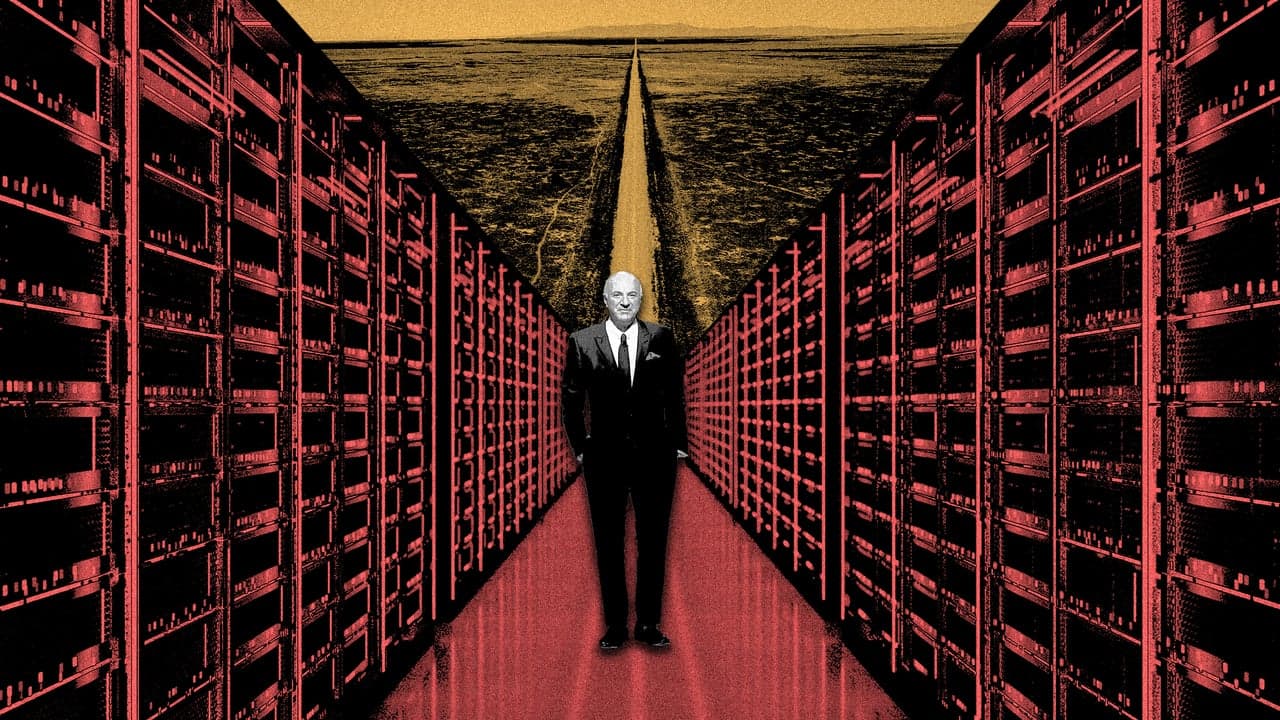
Shark Tank investor Kevin O'Leary's proposed Wonder Valley data center project in Utah faces significant skepticism from industry analysts. The sprawling 40,000-acre facility would require 9 gigawatts of power—more than double Utah's entire average electricity consumption. According to Sightline Climate, an energy transition research firm, the project has only a roughly 15% likelihood of materializing at its proposed scale.
The project is missing fundamental building blocks necessary for development approval and construction. Despite O'Leary's claims of eager tenants, no confirmed tenant agreements exist, and power contracts and project financing remain unsigned. The partnership between O'Leary Digital and developer West GenCo, formed in February 2026, offers little reassurance—West GenCo has no prior track record delivering data center infrastructure, according to Fast Company's investigation.
Environmental and regulatory barriers present formidable obstacles. The off-grid project has not yet filed required air permits with Utah's Department of Environmental Quality. Regulatory monitoring typically requires a full year before applications can even be submitted, with approval potentially taking another two years. This timeline contradicts O'Leary's assertion that the first gigawatt could be operational within two years.
Public opposition has intensified the project's challenges. Nearly 4,000 Utahns filed protests against the project's water rights application, which was subsequently withdrawn. This level of community resistance mirrors a broader national trend: between March and June 2025, 20 data center projects representing $98 billion in investments were blocked or delayed, according to Data Center Watch. The phenomenon extends beyond Utah—over 40 new moratorium proposals targeting data centers have emerged across the U.S. in recent months.