Photo via Fortune
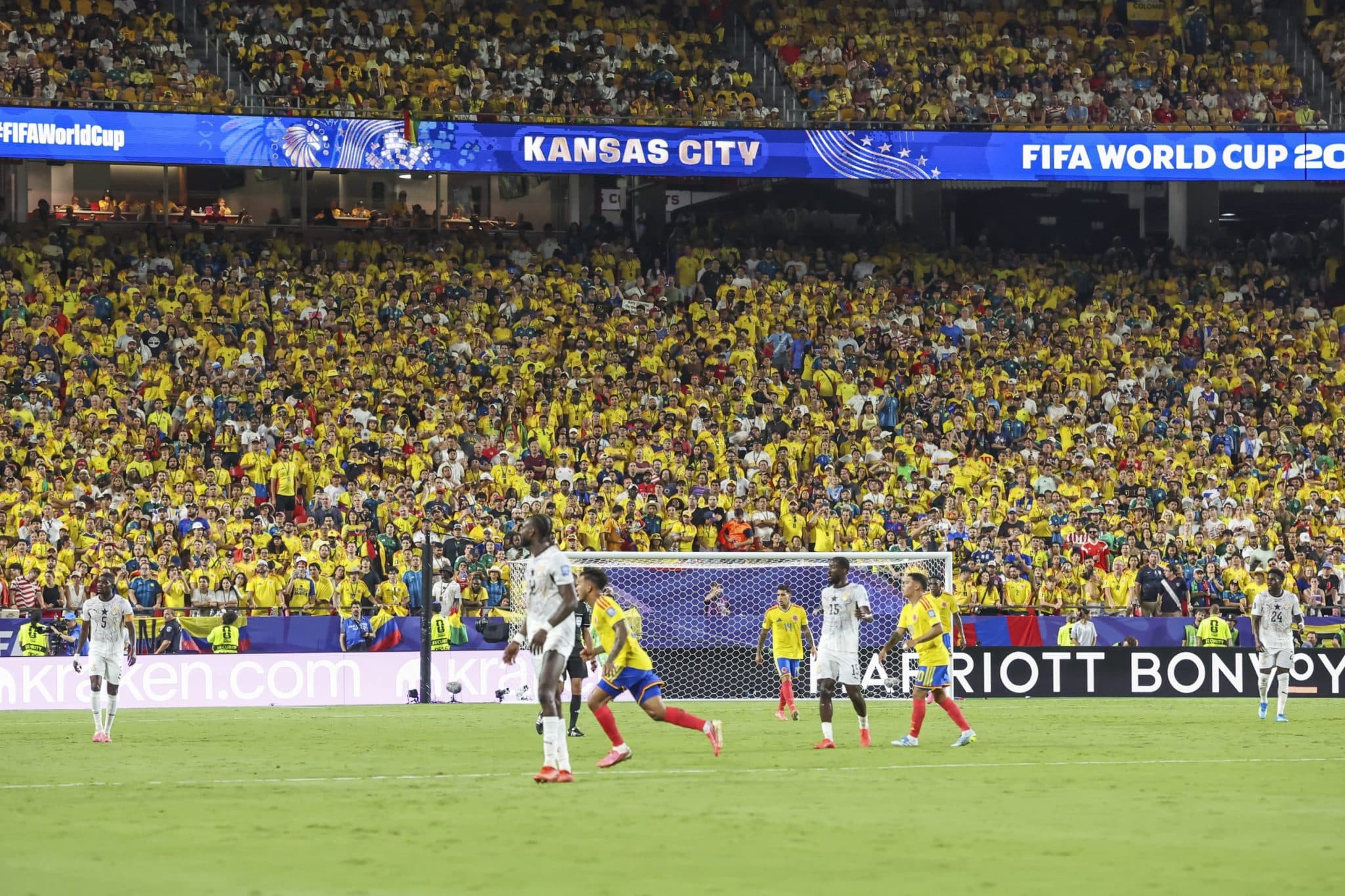
Kansas City has positioned itself as a serious contender for hosting FIFA World Cup matches by investing heavily in sports infrastructure over the past 12 years, according to Fortune. The $700 million commitment demonstrates how sustained capital deployment in venues and facilities can elevate a city's profile in global sports competition. For Dallas-area business leaders and real estate developers, this case study illustrates the long-term economic and branding benefits that can flow from strategic sports infrastructure investments.
The Midwest city's focused approach to building soccer-specific facilities and upgrading existing venues reflects a broader trend among American cities competing to host major sporting events. Such infrastructure projects generate construction jobs, attract tourism, and can catalyze broader development in surrounding areas. Dallas, home to multiple professional sports franchises and already positioned as a major event destination, has opportunities to evaluate whether similar targeted investments could strengthen its competitive position for future international sporting events.
The World Cup hosting conversation underscores how sports infrastructure investment connects directly to commercial real estate opportunity, municipal development, and regional economic impact. Kansas City's strategy shows that cities willing to commit significant capital over extended periods can reshape their competitive standing. For Dallas business stakeholders, understanding how peer cities leverage sports investment to drive growth and visibility remains relevant as the region continues planning its long-term economic development priorities.