Photo via CNBC Business
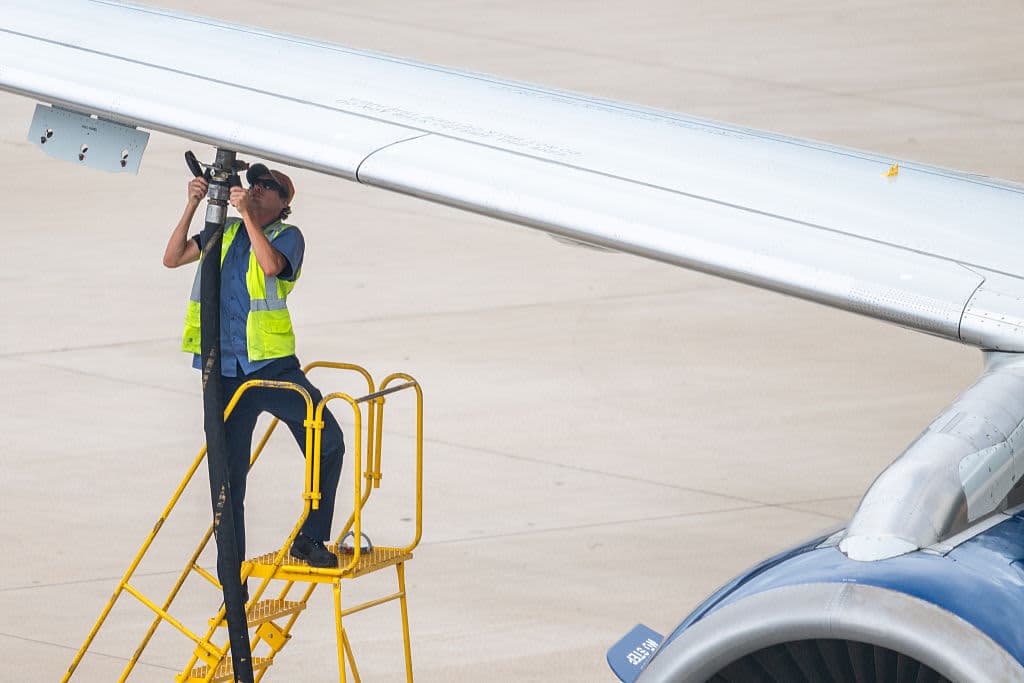
According to data released by U.S. government agencies, American airlines experienced a sharp increase in jet fuel spending, with March expenditures jumping 56.4% compared to February. The spike coincided with escalating tensions in the Middle East, highlighting how quickly geopolitical events can disrupt operational costs for the aviation sector.
For Dallas-area businesses and travelers, fuel surges have direct implications. Major carriers operating from Dallas/Fort Worth International Airport and Dallas Love Field must absorb these costs or pass them to customers through ticket prices and ancillary fees. The region's robust business travel market and logistics industry, which depend heavily on air transportation, face potential headwinds from sustained fuel price volatility.
Airlines typically hedge fuel costs through financial instruments, but rapid geopolitical shocks can outpace protective strategies. The 56% month-over-month increase suggests energy markets reacted sharply to regional conflict, pushing crude oil and jet fuel prices upward across global markets. This volatility underscores the vulnerability of transportation-dependent businesses to forces beyond their control.
Industry observers expect fuel costs to remain a significant line item for carriers in coming months, particularly if Middle East tensions persist. Companies in Dallas that rely on air freight, business travel, or tourism may need to adjust budgets and planning assumptions. The spike serves as a reminder of how interconnected global energy markets are with local business operations.