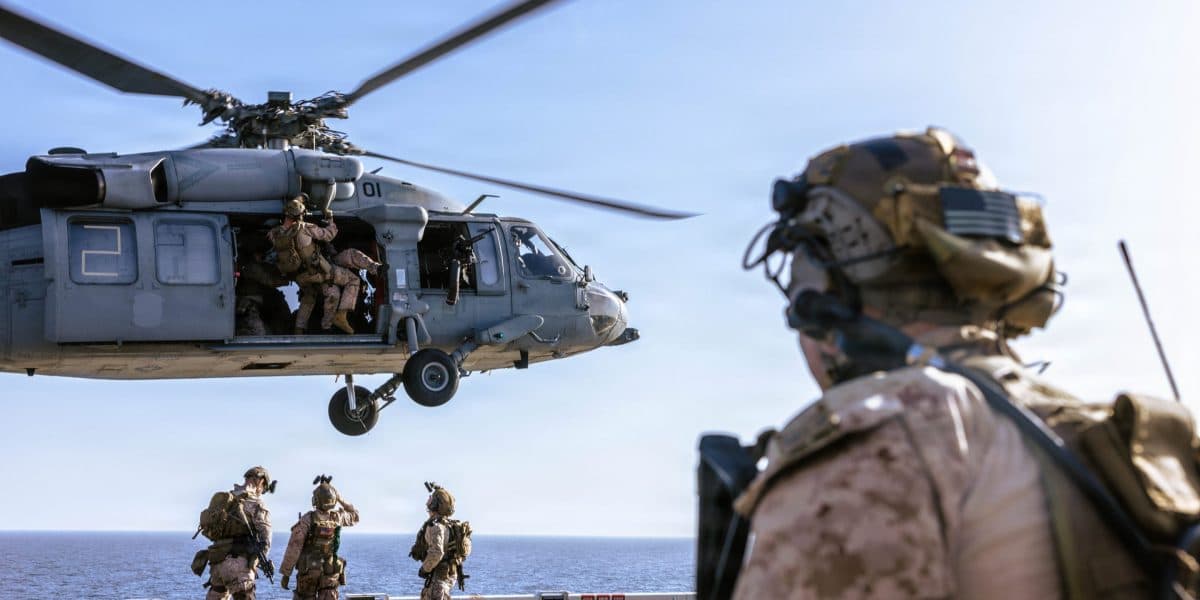
Photo via Fortune
Negotiations between the United States and Iran are moving forward, but security concerns about Middle East stability are intensifying among Washington insiders. According to Fortune, Trump administration allies are raising alarms about the potential consequences of any agreement that might inadvertently signal weakness regarding Iran's military capabilities in one of the world's most strategically vital waterways.
The Strait of Hormuz remains critical infrastructure for global energy markets, with roughly one-third of all seaborne oil passing through its narrow passage. Dallas-area energy companies and refineries depend on stable flows through this chokepoint; any disruption could ripple through Texas's petrochemical sector and broader economy. Experts argue that any diplomatic framework must include robust safeguards ensuring Iran cannot leverage its geographic position to threaten shipping or manipulate energy prices.
One prominent skeptic of current negotiations contends that the international community cannot simply assume Iran will be denied the capability to destabilize the region. According to the source material, this perspective questions whether current proposals adequately address military deterrence, raising concerns about what the original conflict's origins suggest about underlying geopolitical tensions.
For Dallas business leaders in energy, logistics, and finance, the outcome of these negotiations carries tangible implications for supply chain stability, insurance costs, and commodity prices. Close attention to how any final agreement addresses military oversight and verification mechanisms could signal whether global energy markets face reduced or heightened volatility in coming years.