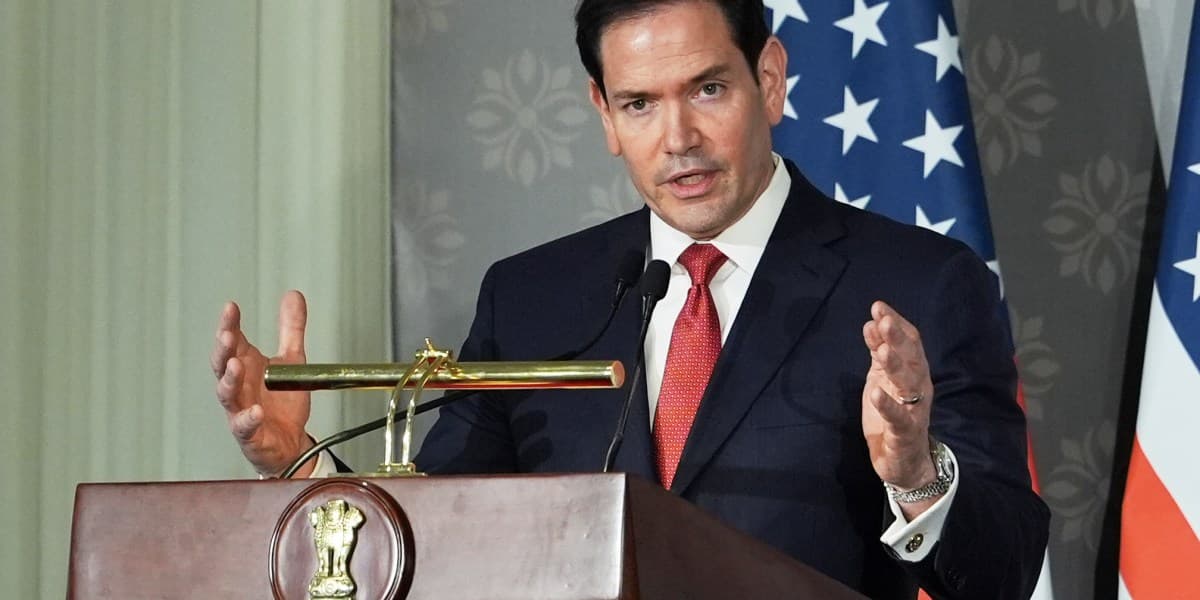
Photo via Fortune
Diplomatic talks between the United States and Iran are moving toward a potential agreement that would address nuclear capabilities, economic sanctions, and access to frozen assets, according to Fortune. The proposed framework establishes a 60-day negotiating window during which both parties would work toward comprehensive terms on uranium enrichment, relief from international sanctions, and the release of Iranian funds held in foreign accounts.
For Dallas-area energy companies and investors, any shift in Iran sanctions policy could have immediate market implications. The energy sector has long been sensitive to geopolitical developments in the Middle East, and changes to Iran's ability to export oil could influence global crude prices and investment strategies across North America's oil and gas industry.
Iran maintains its position that developing nuclear technology for peaceful purposes represents a fundamental right of its nation, emphasizing its commitment to international norms governing civilian nuclear programs. This stance will likely remain a central point of negotiation as diplomats work through the complex terms of any final agreement.
Dallas business leaders monitoring international trade and energy policy should track these negotiations closely. The outcome could reshape commodity markets, affect capital allocation decisions in the energy sector, and influence broader U.S.-Middle East economic relationships that impact regional business operations and investment portfolios.